1. About the University of California, San Francisco (UCSF) and my mentor
From September 19, 2024, to September 18, 2025, I worked as a postdoc funded by UCSF, and I have a bit of experience to share with colleagues who might be interested in going or studying there in the future.
Since UCSF only enrolls graduate and professional students in medical and health sciences, people in medicine and life science research know it well, but to many in China, it doesn’t seem that famous. Most have probably heard of UC Berkeley instead—it’s not only for undergraduates but also a comprehensive university.
The University of California is one of the top universities in the world, and of course, a leading one in the U.S. It has ten campuses: UCSF, UC Berkeley, UC Davis, UC Irvine, UCLA, UC Merced, UC Riverside, UC San Diego, UC Santa Barbara, and UC Santa Cruz.
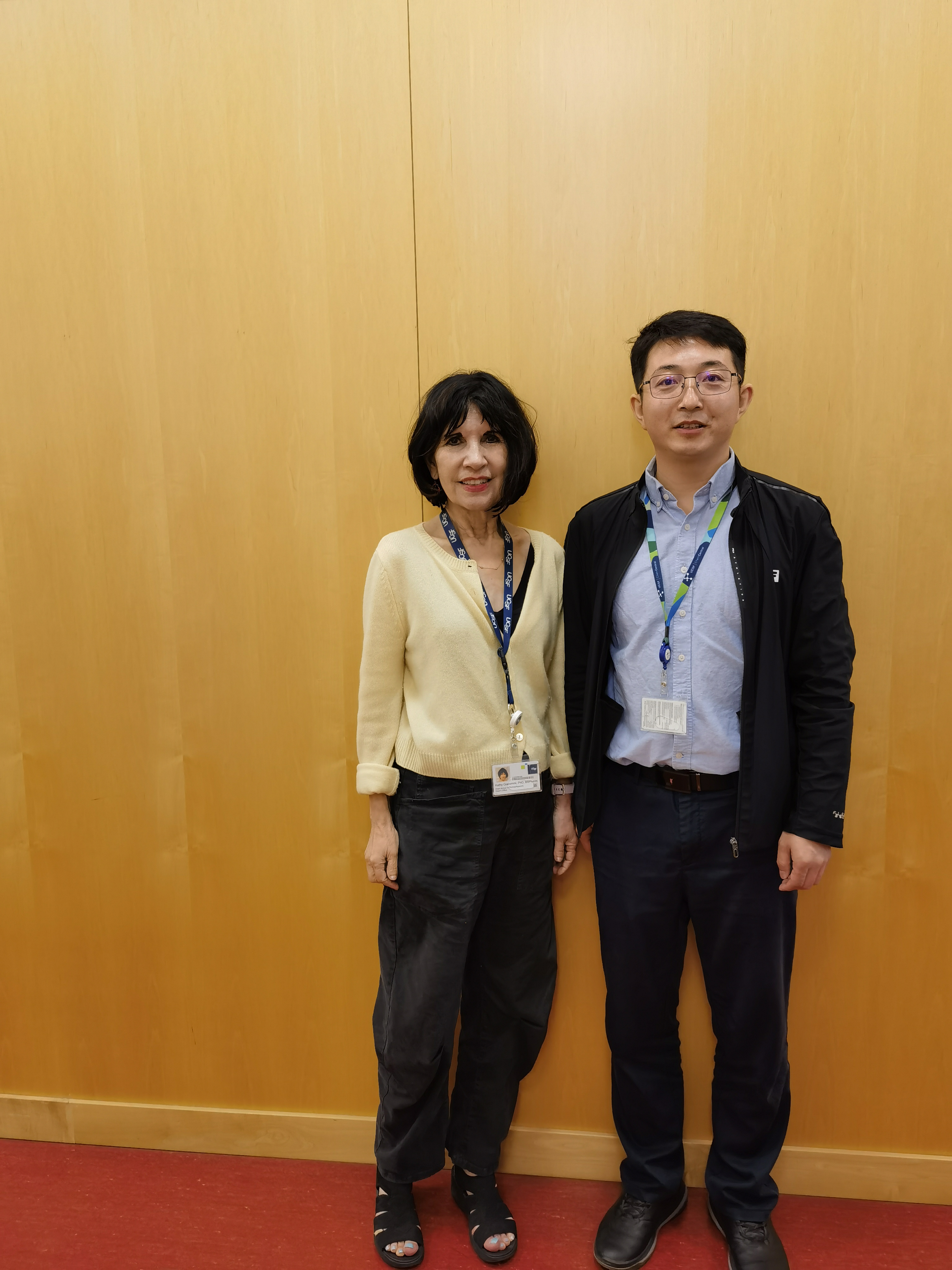
UCSF, where I did my postdoc, is one of those ten campuses and a top school in medicine and life science. For example, in the QS World University Rankings by Subject for Medicine, UCSF consistently ranks in the global top ten. Its neuroscience program is No. 1 in the world—a real cradle of neuroscience that has trained many excellent scientists, including quite a few outstanding Chinese-American and Chinese researchers like Liqun Luo, Yi Rao, et al. The pharmacy school I was in also remains in the world’s top ten. And my postdoc mentor, Kathy Giacomini, is a fellow of the American Academy of Arts and Sciences and a top scientist in transporter research. She helped create the International Transporter Consortium and co-wrote the White Paper on transporters, which is now official guidance for studying transporter-related drug metabolism and interactions before new drugs obtain regulatory approval.
2. First impression of the lab and equipment
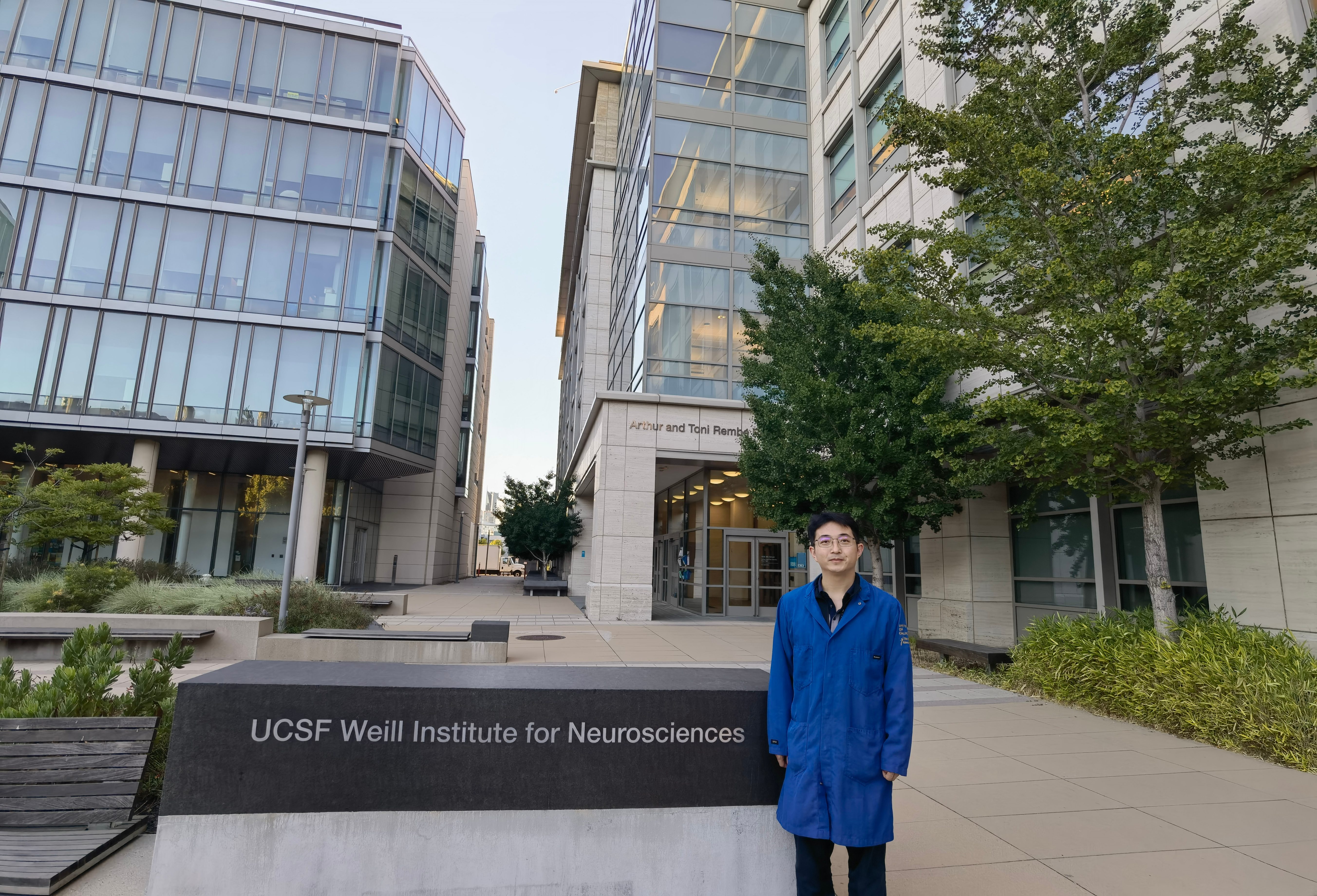
I’ll never forget how amazed I was when a colleague first showed me around the lab. My first impression was how huge it was—almost the size of four classrooms in our Xin Ling building, packed with benches and equipment for daily use: qPCR machines, bioruptors, freezing microtomes, scintillation counters, and more. The lab had everything you could need for daily research, from genetics to pharmacology. But what really made my jaw drop were the 4°C and 37°C rooms. The tissue culture room, animal surgery room, and radioactivity room—all were on the same floor, in the same lab. You didn’t have to go far to use different spaces; it was incredibly convenient. It got me thinking: any PI can buy machines if they have funds, but not every place can build entire temperature-controlled rooms on each floor. That says a lot about the university’s vision, culture, and financial strength. Right then, I felt this was a place where you could pursue high efficiency, save time in experiments, and really focus on scientific thinking—a platform where you could not only dream but also make those dreams real. It got me excited, and I told myself, "This is the right place for me."
Over the next few weeks, I finished my onboarding training. The strict protocols and thorough courses opened my eyes again. The training was deeply relevant—not like some I’d gone through before where you wondered if it was useful at all.
3. The twists and turns of my research projects, but a good ending
Unfortunately, that excitement didn’t last too long. A mountain of pressure hit me like a heavy wave I’d never faced before. The research plan I wrote in China before coming to UCSF appeared to be meaningless because the protein I'm most interested in—OCT1—in the blood-brain barrier was not detected by my former lab colleague using the targeted proteomics method, and thus my mentor believed I should start over to rethink my research plan. To me, that was really bad news. After digging through piles of literature and failing five times to persuade her, she finally accepted my new plan. Maybe here it only takes a paragraph—just a few sentences—to describe that pressure, but for me, it was one of the hardest times I’ve ever gone through. Looking back now, I think my morning running habit is what saved me, helping me cope and finally push through. But what I learned from this was not just my mentor’s strict standards for innovative ideas—I also learned how to develop research thoughts more creatively, since she felt my initial plans weren’t novel enough to explore deeply. I believe this will help my research career a lot going forward. And it set a high bar in my mind for what “creative research” really means.
Three months slipped by in that almost broken state of mind. Slowly, my project got back on track, and my daily life at UCSF started going more smoothly. After that, I settled into a “two-point, one-line” routine—apartment to lab and back. I usually only took half a day off per week, spending Sunday afternoons in Chinatown or at Safeway buying supplies for the week. To most people that might sound boring, but to me it was a kind of joy; I loved pouring all my energy into exploring science.
Time flew, and another three months passed quietly. The good news was I successfully deorphaned a transporter—meaning I found a substrate for an orphan transporter. Kathy was really happy, and as a reward she gave me a chance to attend the ASPET 2025 annual meeting, a top conference many pharmacologists dream of going to, even though I hadn’t submitted an abstract. It was held in Portland, Oregon—a beautiful city with lots of spring rain. There, I listened to top scientists share cutting-edge work, immersed myself completely, and connected with several well-known Chinese-American researchers in my field, like Xiachao Ma, Aiming Yu, Grace Guo, and Taosheng Chen, et al. They’re not only great scientists but also kind people, very nice to young postgraduates and postdocs like me. Compared to academic meetings I’ve attended in China, I noticed at least five big differences:
1. Lots of European scientists take part.
2. Talks often present work still in progress, not just finished projects.
3. Speakers focus on a small part of their research but explain it deeply and clearly.
4. Meeting attendees enjoy asking questions; typically, at least five questions are asked following each presentation. So, to some extent, these meetings provide more opportunities for attendees to interact with speakers.
5. Researchers truly value poster sessions. I even saw senior professors standing by their lab’s poster explaining the work themselves. Of course, it’s also a social time—many people exchange emails and chat freely.
4. The different academic atmosphere
Another thing that felt different was the academic atmosphere and spirit of collaboration at UCSF. Academic life is so vibrant here. Talks are scheduled before the school year starts, and if you want, you can join two or three each week—almost always given by leading experts in their fields. Plus, if you can handle American food, there’s often free lunch, so you can feed both your brain and your stomach.
Collaboration between PIs is also really common. After I found the new transporter substrate, my mentor encouraged me to reach out to Bob and Sali—both members of the National Academy of Sciences (NAS)—to discuss collaborating on the structure of the orphan transporter I was studying. This kind of cooperation is amazing; it helps you see your findings in a bigger picture. Even though they’re top scientists and NAS members, they still personally engage in potential collaborations, and as a postdoc I could talk to them directly. This type of phenomenon is, in my opinion, uncommon in our nation these days. Bob made a big impression on me the first time we met. His office door was open, and he was typing away. I knocked lightly, but he didn’t respond. Waiting there, I realized he was writing a paper himself—even though he’s a world-leading structural biologist in his eighties. After a few minutes, I noticed he wore a hearing aid; that’s why he hadn’t heard me. Later I found Bob isn’t alone—many American scientists work like this. One reason is most PhDs and postdocs in the U.S. choose industry jobs for better positions and higher pay, so those who stay in academia often truly love research. They don’t see it as a burden; they follow what interests them, even if the salary is lower.
Because they’re driven by interest, researchers here aren’t in a rush to publish—unless they have to beat a competitor. Many spend five years, or at least three, on one paper; some even take ten years to finish really tough projects. A former lab colleague of mine, now a UCSF associate professor, spent ten years on one important paper. That stunned me! I wondered how UCSF evaluates researchers’ work. Later I learned the system is totally different from China’s—co-authored papers also count as your achievements. Maybe that helps researchers, especially younger ones, dare to take on difficult but important questions.
Of course, as a byproduct of doing science, you pick up a lot of techniques along the way. During my year, I mastered recombinant protein purification, plasmid design and transformation, transient transfection, radioactive uptake assays, and more. I’ll add these to our department’s skill-sharing list so colleagues who need them can benefit.
5. End
Overall, even though my time in the U.S. was short, I learned so much from the experience. Everything I gained and the new perspectives I found will stay with me as treasures in my career. So finally, I’m truly thankful to Lanzhou University, our hospital, and our department leaders and colleagues for the help they gave me before and during my study in the U.S. If any colleagues have questions about applying for a U.S. postdoc, feel free to reach out. And best wishes to those interested—go for it.
Source: Department of Pharmacy, Dr. Dang Zilong
Edited by the Office of Foreign Affairs