To address common technical challenges in the prevention and control of cardiovascular, cerebrovascular and related metabolic diseases in complex geographical environments, and to deepen medical exchanges under the "Health Silk Road," a delegation from the First Hospital of Lanzhou University (LZUFH) recently leveraged its regional clinical discipline strengths to reach cooperation intentions with multiple institutions in Kazakhstan, Uzbekistan and Georgia, pooling efforts to pioneer an international cooperation mechanism for building a full life-cycle management system for cardiovascular-cerebrovascular and related metabolic diseases oriented toward Central Asia and the South Caucasus region.
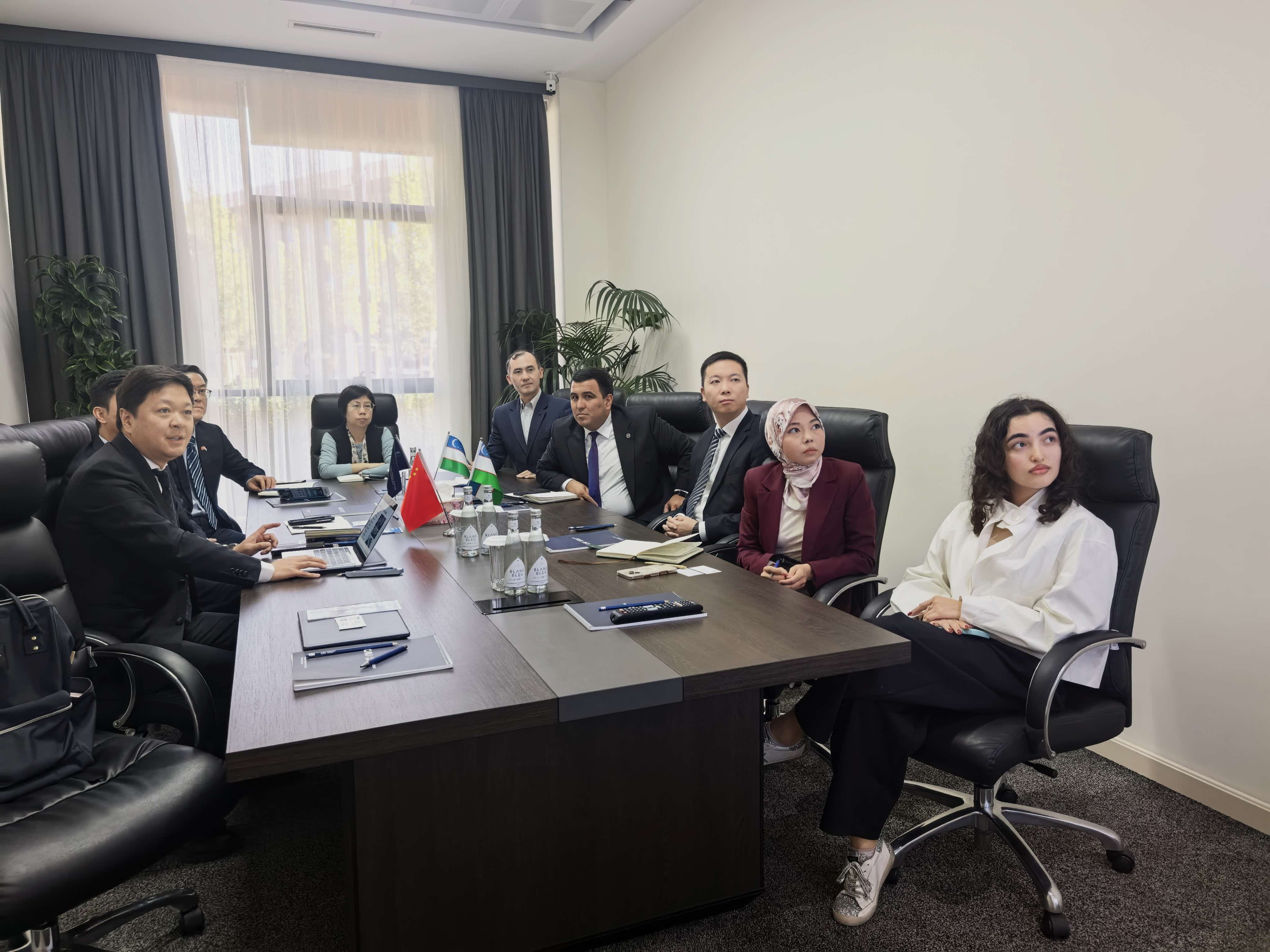
From October 11 to 20, a five-member delegation led by Vice President Meng Wenbo, comprising members from the Department of Cardiovascular Medicine, the Science and Technology Office, the Academic Affairs Office and the Office of International Cooperation and Exchange, conducted on-site visits in the three countries. In Kazakhstan, the delegation visited Al-Farabi Kazakh National University, Asfendiyarov Kazakh National Medical University and its affiliated Heart Center, Kazakh National Agrarian Research University, and the Heart Center of Nazarbayev University School of Medicine; in Uzbekistan, it visited the Uzbekistan National Medical Center, the Republican Specialized Scientific and Practical Medical Center of Cardiology of the Republic of Uzbekistan, Uzbekistan Central Asia University, and the Andijan branch of Uzbekistan Kokand University; in Georgia, it visited Tbilisi State Medical University and its affiliated hospital.
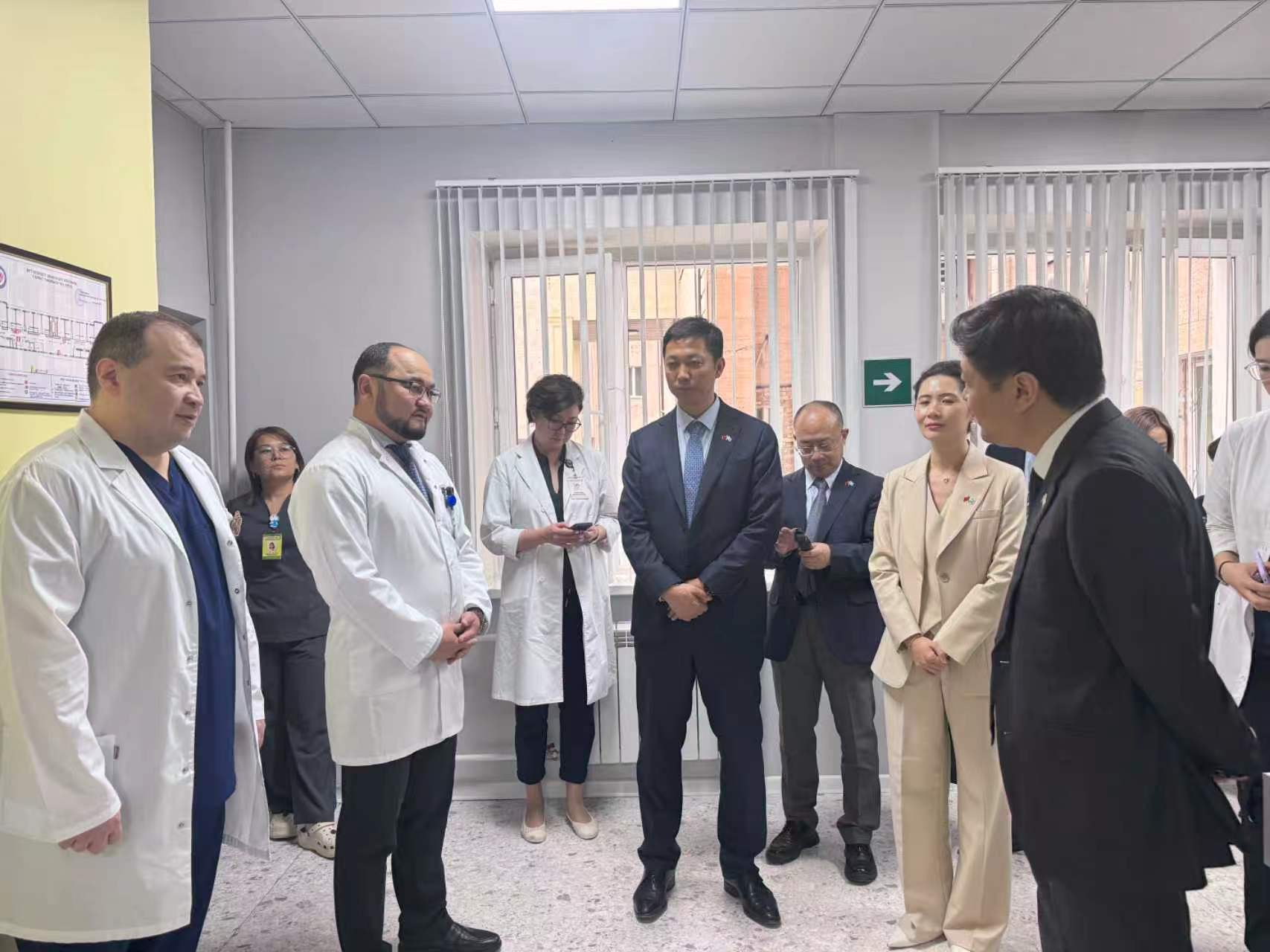
During the visits, the delegation went deep into the clinical frontlines of various medical institutions and held thorough discussions with experts from each country on core topics including clinical diagnosis and treatment plans for complex cardiovascular and cerebrovascular diseases, promotion of specialized medical technologies, standardized clinical training for specialist physicians, and the building of a full life-cycle management system for cardiovascular and cerebrovascular diseases and related metabolic diseases. All parties introduced their respective clinical resources and medical needs to one another and reached a preliminary framework of cooperation intentions.
As a National Key Clinical Specialty, the Heart Center of the First Hospital of Lanzhou University has accumulated rich clinical experience and data in the full life-cycle management of cardiovascular-cerebrovascular and related metabolic diseases. In view of the high incidence of cardiovascular, cerebrovascular and related metabolic diseases in Kazakhstan, Uzbekistan and Georgia due to their environmental and dietary characteristics, the First Hospital of Lanzhou University focused during this visit on sharing its team's mature experience and models with the visited institutions to support their related work and capacity improvement.
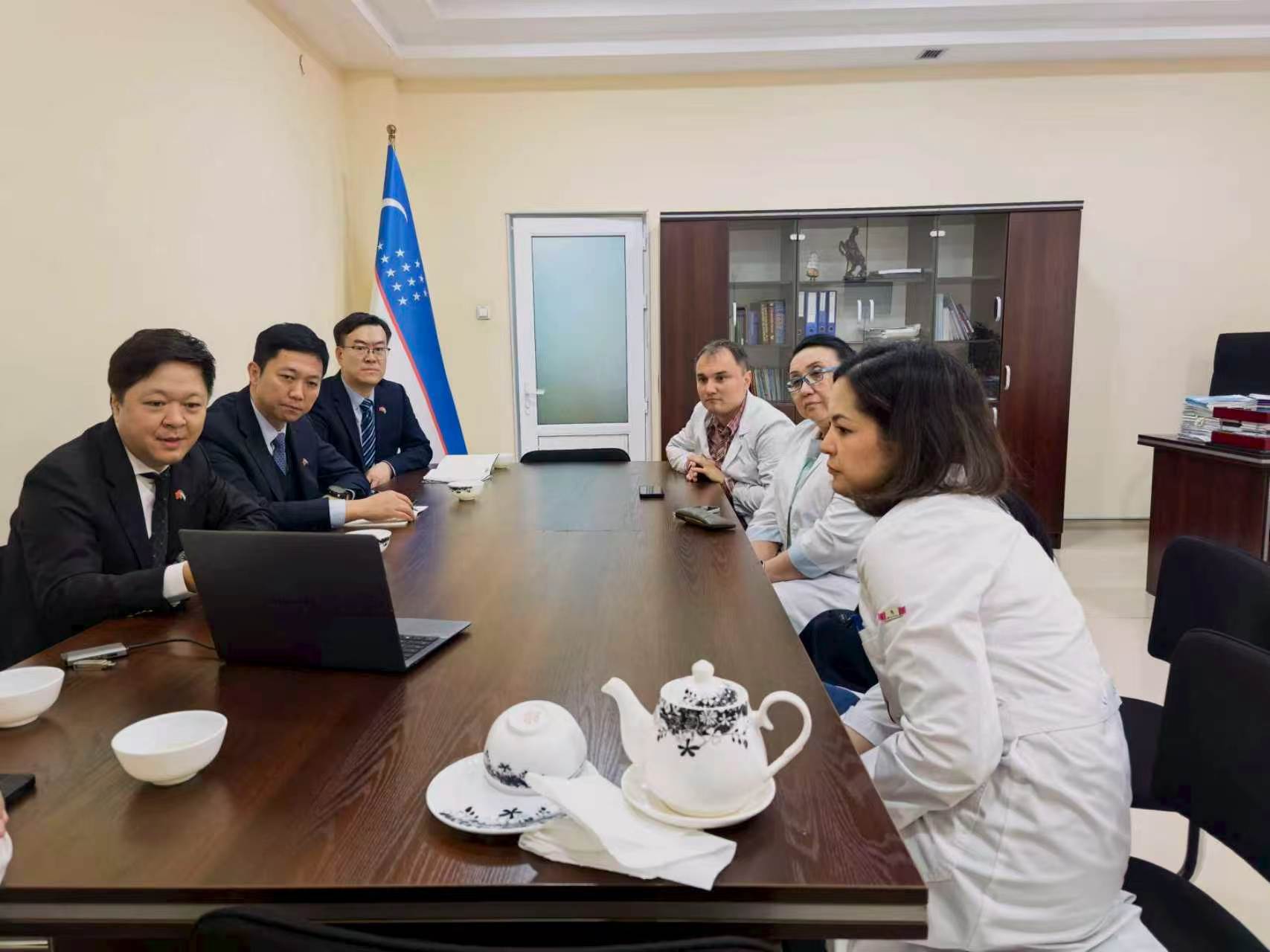
This strategic clinical medical cooperation has both practical value and strategic significance. On the one hand, it will promote the radiation of the hospital's advanced diagnostic and treatment concepts for full life-cycle management of cardiovascular-cerebrovascular and related metabolic diseases to Central Asia and the South Caucasus region, break down geographical barriers, and build a high-level bridge for international clinical academic exchange; on the other hand, it will help the visited institutions improve their local prevention and treatment systems and drive the joint improvement of clinical diagnosis and treatment levels for cardiovascular, cerebrovascular and metabolic diseases across the region.
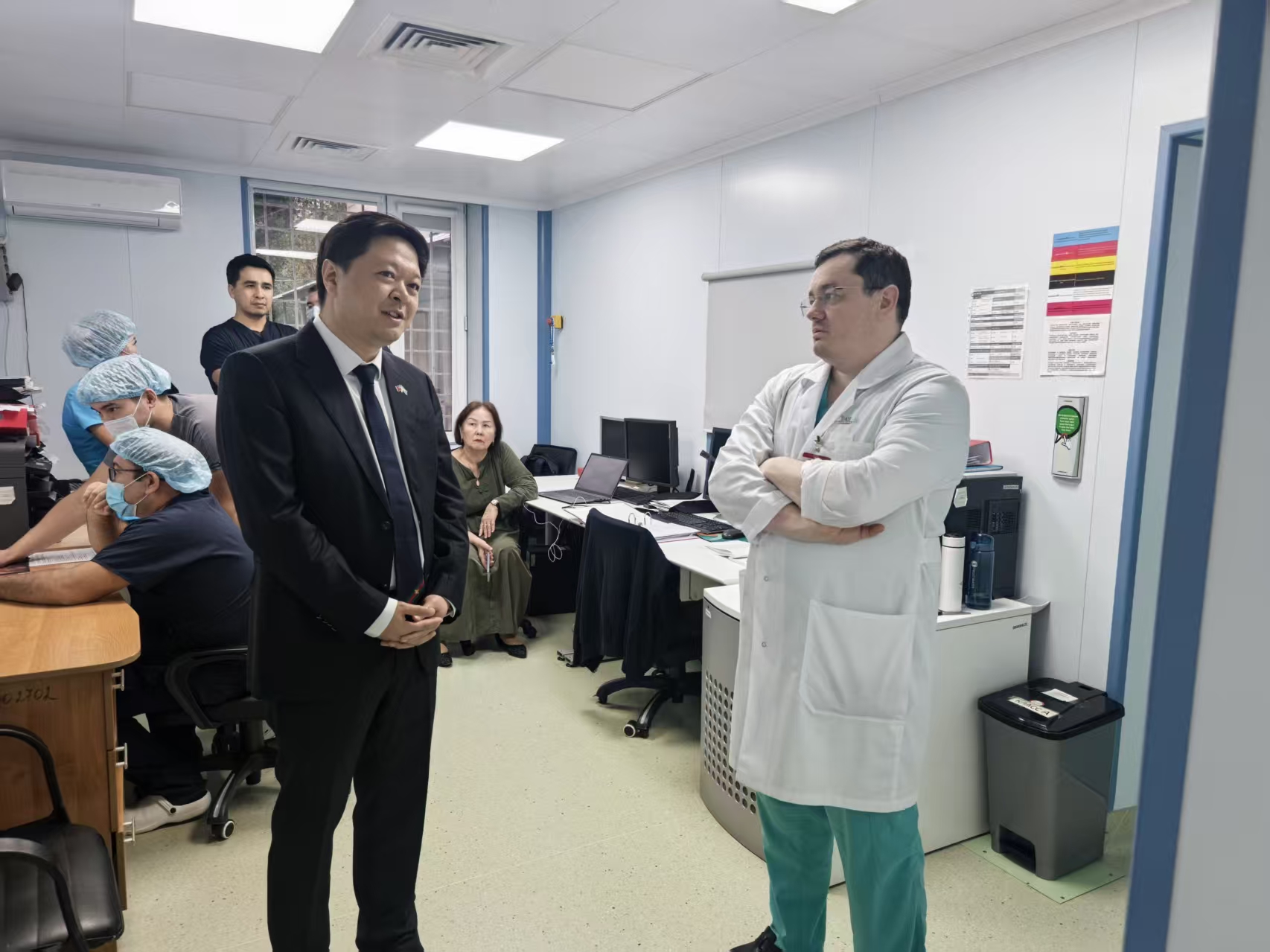
In the future, the First Hospital of Lanzhou University will continue to deeply cultivate the building of the Health Silk Road, use this international cooperation platform as a bond, and deepen practical collaboration with medical institutions in countries along the route in areas such as clinical technology exchange, consultation on complex cases, and mutual learning of specialist talents, so as to contribute Chinese wisdom and Northwestern China's medical strength to further advancing international cooperation on building a full life-cycle management system for cardiovascular-cerebrovascular and related metabolic diseases and to safeguarding the lives and health of people in Belt and Road partner countries.
Edited by the Office of Foreign Affairs