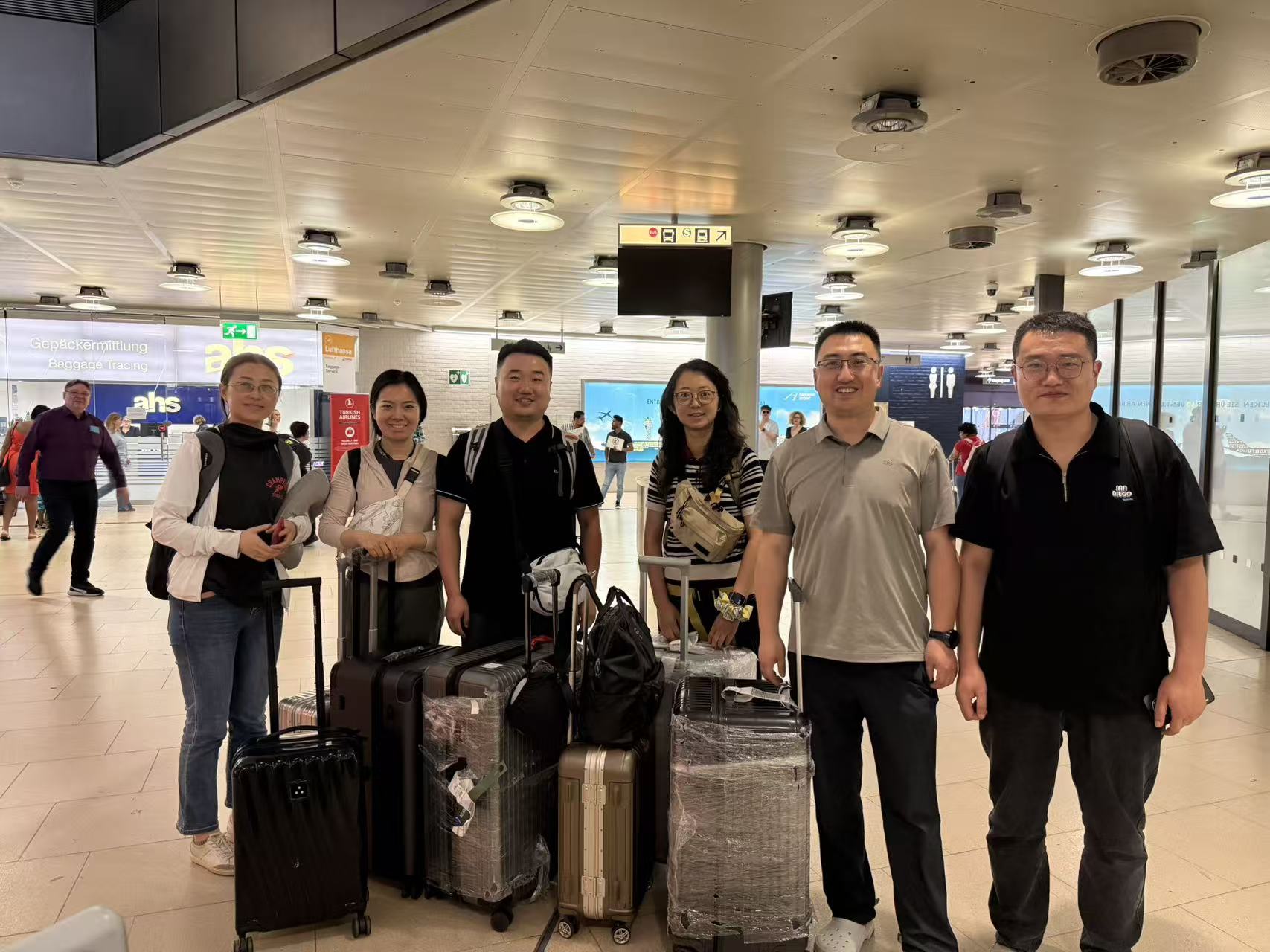
From July to September this year, appointed by the Gansu Provincial Health Commission, our group of 11 people embarked with immense honor on a three-month further study program in Germany, one of Europe's most developed countries. During these three months, experiencing this developed Western nation up close—from its distinct cultural background to its unique cultural perceptions—left an indelible and profound impact on me.
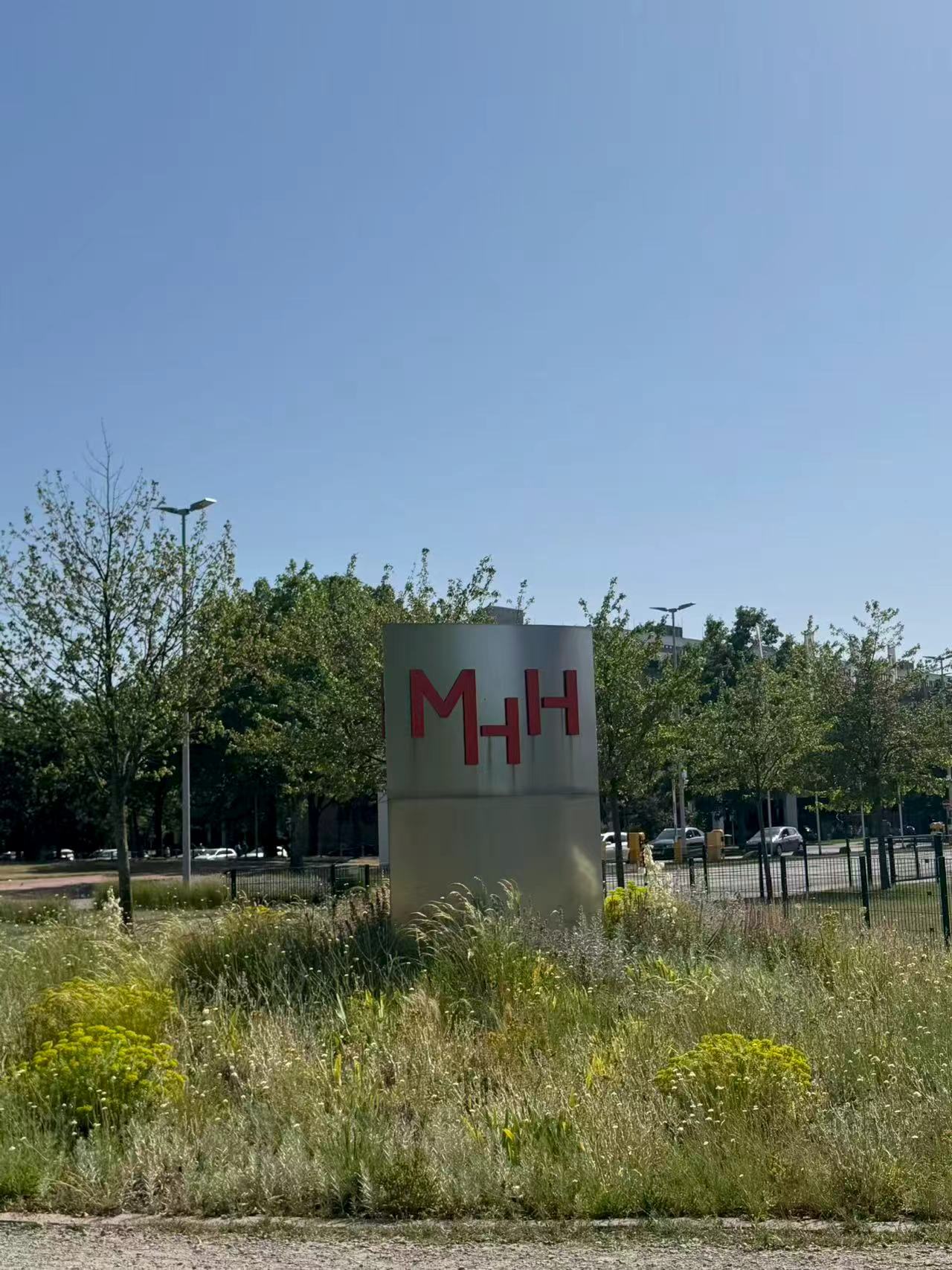
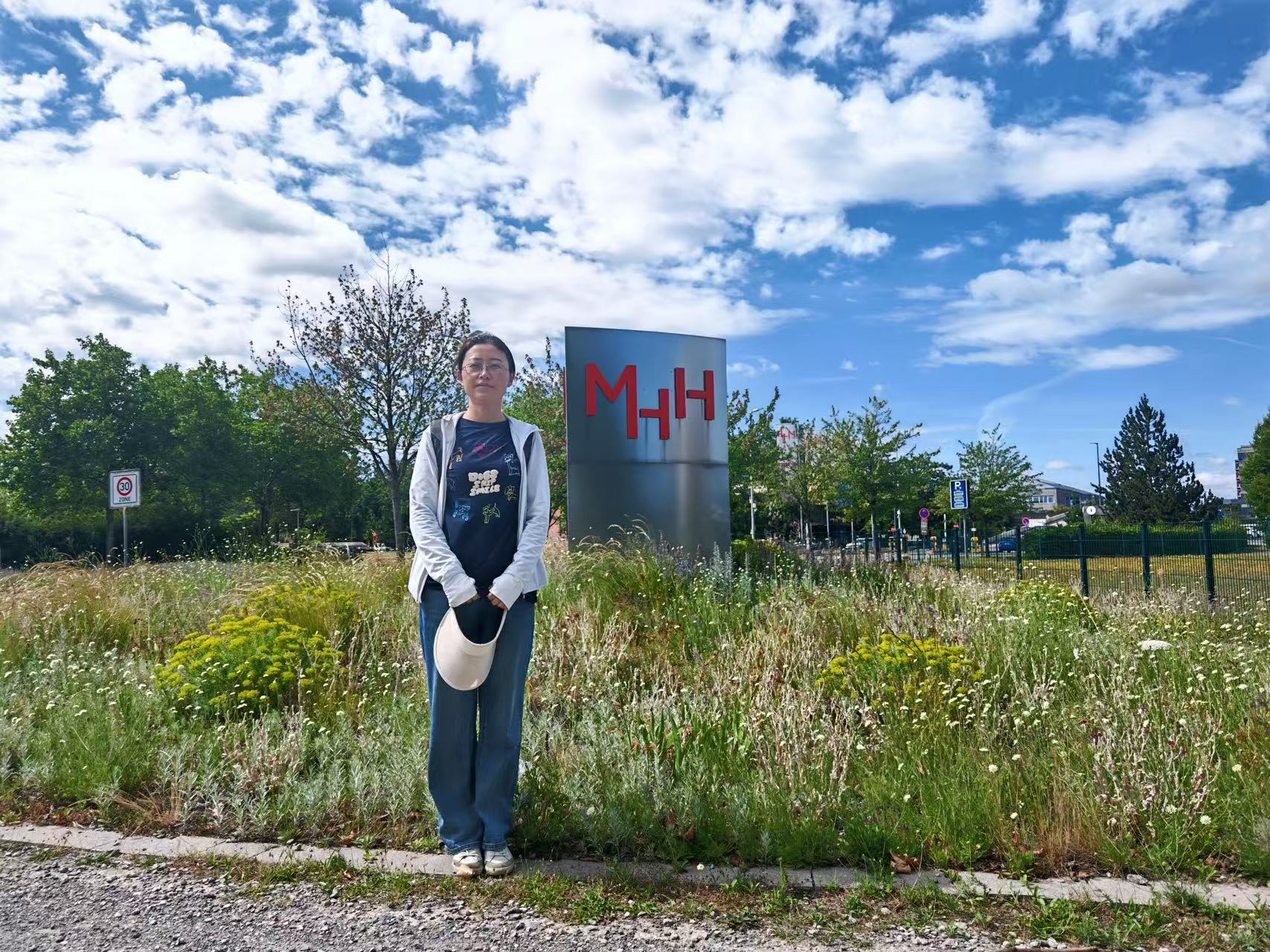
The full name of the hospital where I studied is Medizinische Hochschule Hannover (MHH), located in Hannover, the capital of Lower Saxony, Germany. Covering an area of 203.9 square kilometers with a population of approximately 530,000, the city boasts a mild climate and abundant rainfall. Hannover is highly advanced in industry and manufacturing, serving as a hub for Germany's automotive, machinery, and electronics sectors, while also renowned for its convention and tourism industries. It is home to the headquarters of TUI, Europe's largest travel agency group. The city houses 13 universities and professional colleges, among which Leibniz Universität Hannover and Medizinische Hochschule Hannover are the two most prestigious.
As the largest regional medical center in northern Germany, MHH holds a status comparable to Peking Union Medical College Hospital in China—a comprehensive hospital integrating clinical care, teaching, and scientific research. It offers programs in clinical medicine, dentistry, biochemistry, biomedicine, obstetrics, and health sciences. Its key research focuses include organ and stem cell transplantation, regenerative medicine, infection and immunity, biomedical engineering, and implant research.
First, I would like to share some impressions from daily life. When hustle and bustle fade, quiet becomes the norm. Having lived in China for a long time, I grew accustomed to noise: the constant honking of cars on the streets, repetitive promotional broadcasts in shopping malls, and the lively chatter of diners toasting in restaurants… Even hospitals often resembled bustling markets—crowded outpatient halls, and wards filled with the hum of family members' conversations and nurses' calls, where a soft voice could easily be drowned out.
Upon arriving in Germany, everything suddenly went quiet! No matter how congested the streets were, no one honked (in most German cities, arbitrary honking to urge other vehicles is prohibited; violations in no-honking zones or sections result in fines). On my first day at MHH, I was confused—where was everyone? I even wondered if it was really a hospital: the lobby had sparse foot traffic, the corridors were silent, and it was completely unrelated to the scene of "overcrowding and jostling for elevators" in Chinese hospitals. The parking lot was packed with cars, yet there were few people on the roads or in the hospital. This contrast of "more cars than people" was truly striking.
The "quiet" in the operating rooms was even more pronounced. Beyond necessary operational communication, there was almost no extraneous noise. The only "background sound" might be music—foreign doctors liked to play some music during surgeries, but the volume was low enough not to interfere with communication. Generally, little small talk occurred during operations, and even when surgeons expressed dissatisfaction, they never "shouted at the top of their lungs"—they merely emphasized their tone while keeping their volume restrained. In short, quiet prevailed everywhere.
Not only were the operating rooms quiet, but the wards were also exceptionally so. Many patients had no family members accompanying them, facing their hospital stay alone from admission to discharge. Doctors and nurses also kept their voices low during rounds. Notably, the waiting areas for outpatient and emergency services were equally quiet: people either sat silently, scrolled through their phones, or read newspapers, with little conversation. Occasionally, someone would chat softly—briefly about the weather or trivial topics—before returning to silence. The TV screens in the waiting areas were on but muted, acting like quiet backdrops.
A few thoughts on meals. The cultural differences between China and foreign countries in terms of "eating" are enormous. Frankly speaking, I prefer the foreign culture of eating—summarized as "simple and no waste." In China, food waste is excessive; during gatherings or receptions, people always order more food than they can finish, feeling that serving too little would be disrespectful to guests and a loss of face.
Foreigners' approach to eating is truly simple. First, the vast majority of doctors, nurses, and office workers bring their own meals. Their breakfast is very basic: coffee with bread, or just milk, is the norm. Doctors start work very early—rounds at 6:30 AM, and patients are sent to the operating room at 7:00 AM. Given Germany's sparse population, it is common for people to have a 40–50 minute commute, so many get up and set off at 5:30 AM as a routine.
Lunch is usually prepared the night before. It is common to see doctors and professors carrying lunch boxes on the road or in the hospital. The cafeteria is equipped with microwaves, small ovens, and cleaning supplies. The lunch portions are not large—usually a small lunch box with a modest amount of food. If someone doesn't bring lunch, there is a cafeteria in the operating room area selling various Western snacks, such as chicken wraps, sandwiches, bread, pizza, and various beverages.
Having talked about cultural differences, let's get back to the main topic: my learning experiences and insights over these three months.
After completing simple onboarding procedures at the hospital, I went to my workplace—the Department of Anesthesiology and Operative Medicine. The department director received me and assigned me to the operating rooms for cardiovascular surgeries. As per the agreement signed prior to my arrival, we only had observation rights and no hands-on operation privileges. Therefore, during these three months of study, I primarily used my eyes, mouth, and brain—not my hands. The area I was in regularly handled cardiac surgeries, organ transplants, trauma cases, and vascular interventional procedures. There were nine operating rooms in total, with a full workload every day.
Witnessing "shadowing" learning. Many people may not have heard of "shadowing"—shadow learning—and it was my first encounter with it too. To help everyone understand better, I looked up some information.
In the European education system, student shadowing is a learning activity centered on experience and observation. Simply put, it means "following others to experience their daily lives." By observing the work, study, or life of target individuals up close, students gain intuitive understanding, accumulate experience, or clarify their future development direction.
Three types of shadowing:
1. Career exploration (the most common): Breaking career illusions
Suitable for students interested in a particular career, especially middle and college students. Through "shadowing" observation, students can understand the real state of the profession. For example: Following doctors on rounds, during consultations, and in case discussions; following designers in project meetings and plan drafting; high school students shadowing local enterprise employees through schools or communities; international students shadowing professionals in the industry through alumni networks to understand local workplace culture.
The core purpose of this approach is to break the "imagined profession" and allow students to make more rational judgments about their suitability. For instance, many students think "being a doctor is cool," but after seeing through shadowing that doctors work long hours and handle complex doctor-patient communication, they may rethink whether they truly like the profession.
2. Academic/campus adaptation: Alleviating freshman anxiety
Mainly targeting freshmen or transfer students. By following "senior students," new students can experience a day of campus life—attending classes together, going to the cafeteria, participating in clubs, and familiarizing themselves with the location of teaching buildings. This greatly alleviates anxiety caused by an unfamiliar environment.
- Special education: Supporting special needs through companionship. Providing one-on-one support for students with special needs, such as children with attention disorders or social disabilities. Teachers or teaching assistants accompany them throughout classes, observing and providing appropriate guidance to help them integrate into regular classrooms.
Core characteristics of shadowing: To summarize, shadowing has several key features: Observation-oriented: Students usually do not participate directly but only watch and listen; short-term: Generally lasting a few hours to a week, rarely long-term; voluntary and targeted: Students choose scenarios based on interests with clear goals; non-credit-based: No grades are awarded, and it is an auxiliary experiential activity.
Essentially, shadowing is a form of "immersive experiential learning." Through personal observation rather than indirect storytelling, students gain a more intuitive understanding of a certain profession or environment. This approach is very common in North America and is regarded as a bridge connecting "theoretical cognition" and "real-world scenarios."
These little things made me feel the differences between Chinese and Western cultures, as well as the differences in medical education and technology hidden behind these cultures. Finally, I would like to express my sincere gratitude—to the Provincial Health Commission and my hospital for giving me such a precious learning opportunity. It has allowed me to improve myself and contribute my modest efforts to the medical and health development of Gansu Province with more advanced concepts.
Source: Department of Anesthesiology & OR, Dr. Wang Ling
Edited by the Office of Foreign Affairs