From April 16 to 27, Professor Markus Bassler, President of the German Society for Psychosomatic Medicine and President of the German Rehabilitation Science Medical Alliance, along with Ms. Annette Bassler, Senior Psychotherapist of the Sino-German Society for Psychosomatic Medicine and Psychotherapy, were invited to visit the First Hospital of Lanzhou University for over ten days of Sino-German academic exchange in psychosomatic medicine.
The exchange was organized by the hospital and led by the Department of Psychosomatic Medicine, focusing on core theory and skills training. It shared cutting-edge international psychosomatic medicine concepts and mature German clinical experience through various formats, including lectures, live patient interview demonstrations, scenario-based role-playing, and group debriefing and reflection. This approach integrated theory with practice, faculty development with student education, and specialized diagnosis with multidisciplinary collaboration. During the exchange, both sides held discussions on information system development, curriculum design, clinical teaching, and talent cultivation. They also collaborated with the nursing psychotherapy team to conduct patient intervention resource assessments, translating theory into clinical practice, and conducted joint consultation exercises across multiple departments, breaking down clinical silos.
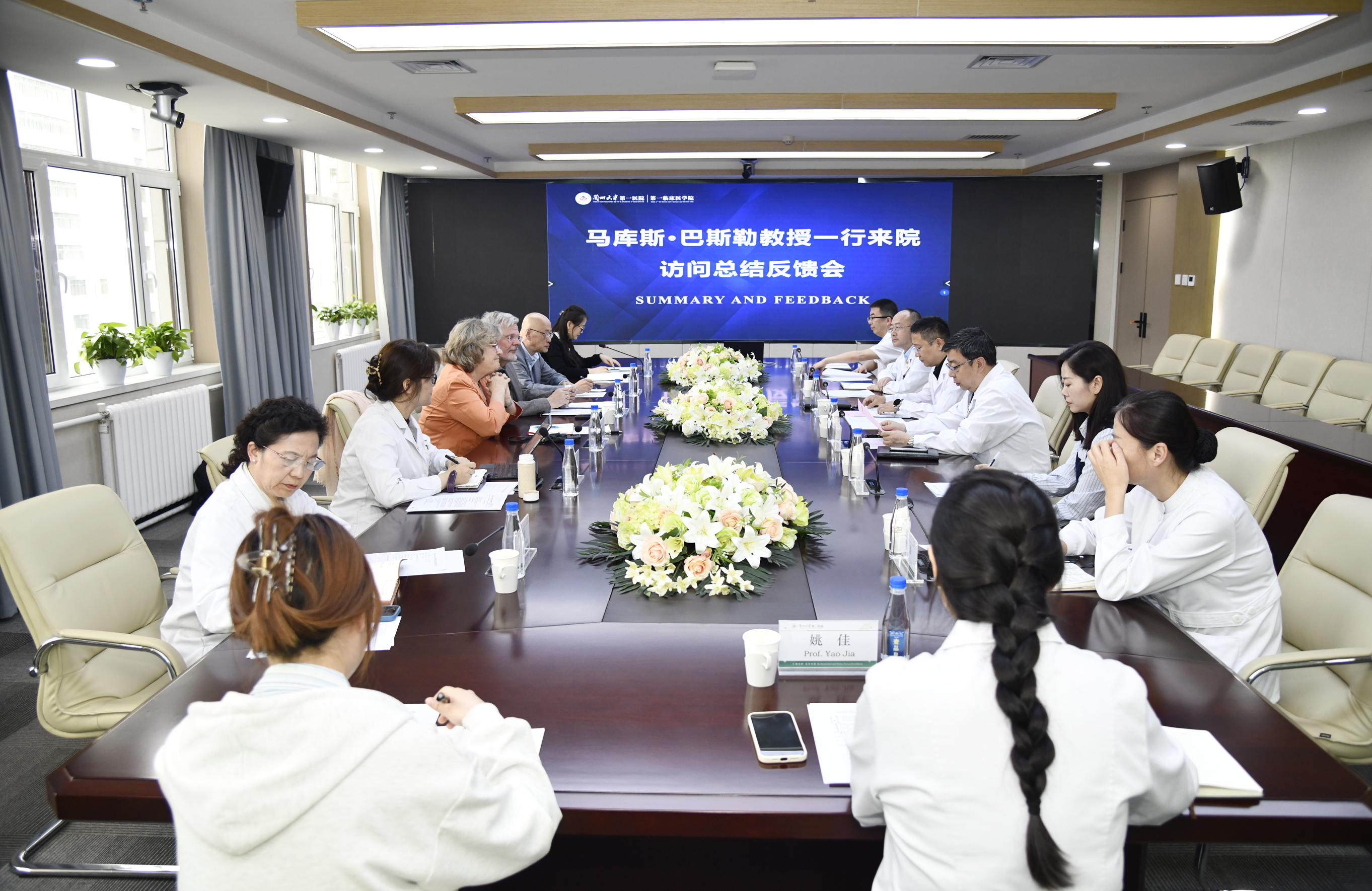
On the afternoon of April 27, Dean Bai Ming and Vice Dean Hou Xiaoming held a feedback and summary meeting with Professor Markus Bassler and Ms. Annette Bassler. Heads of relevant departments and divisions attended the meeting, which was chaired by Hou Xiaoming.
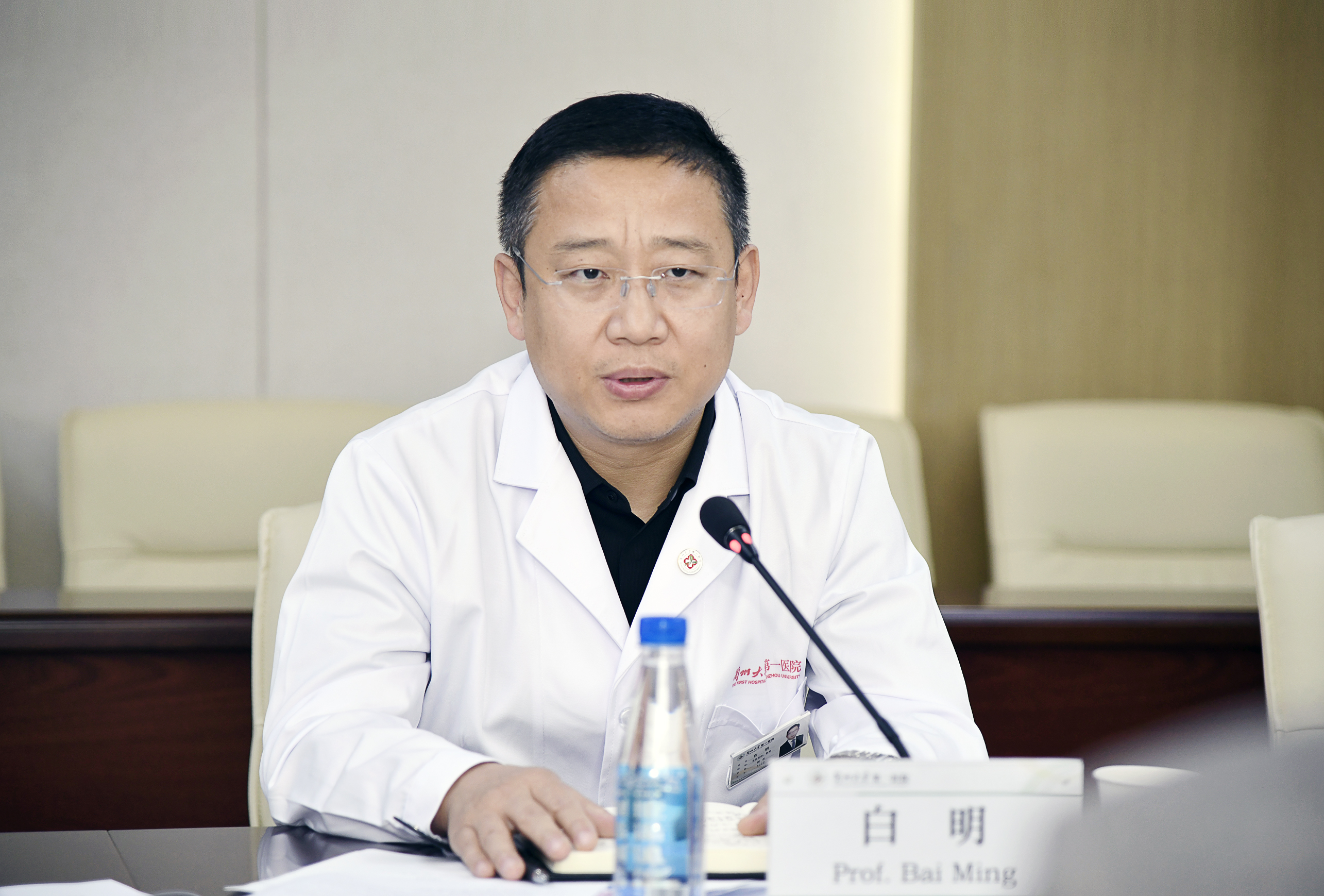
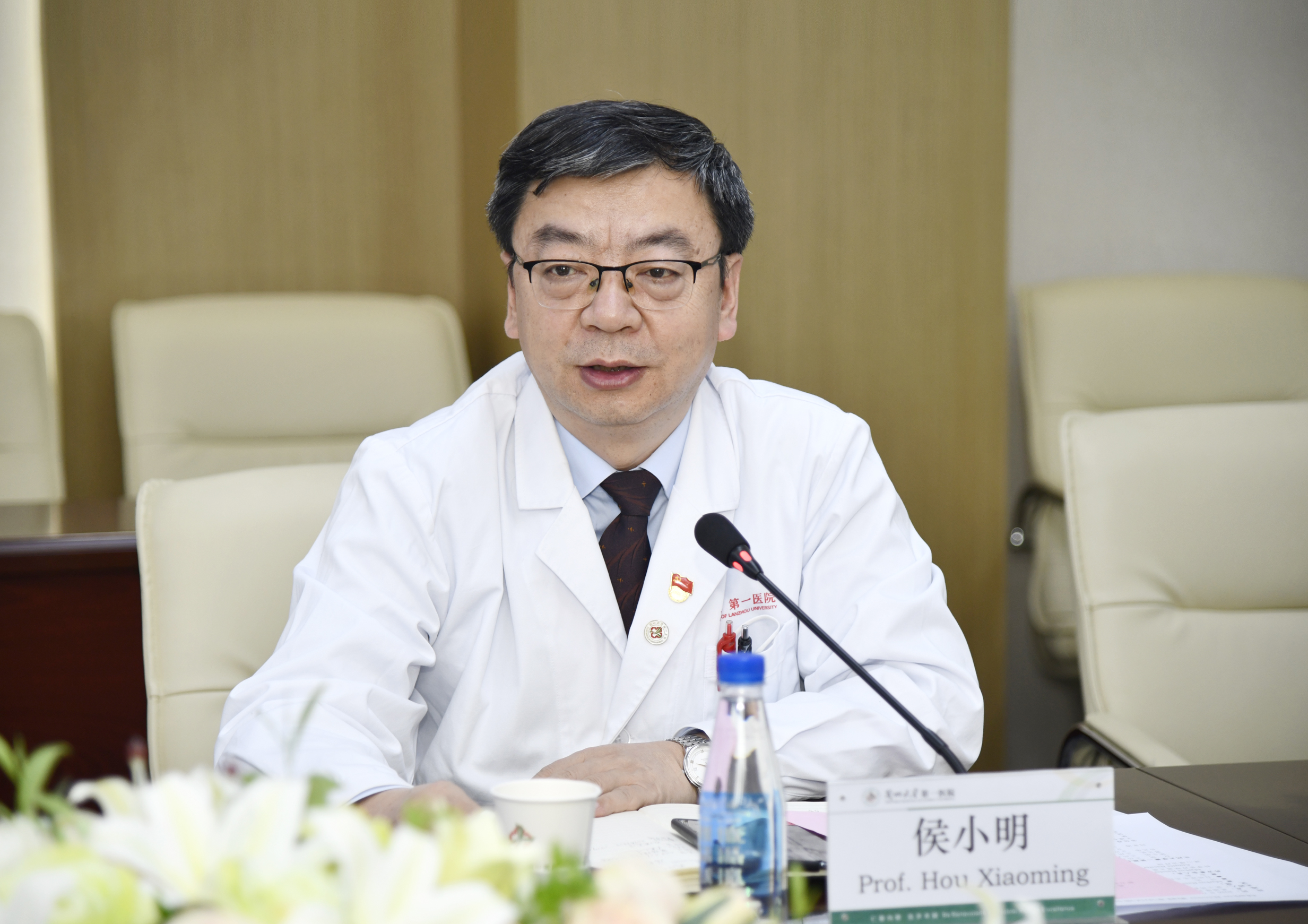
Dean Bai Ming stated that the hospital’s first phase of the Sino-German Core Theory and Skills Training in Psychosomatic Medicine was successfully completed with enthusiastic feedback from participants. This exchange yielded significant achievements in psychosomatic medicine concepts, clinical skills, and humanistic practices. He expressed hope for continued collaboration with the professor to explore practical pathways and promote high-quality development of psychosomatic medicine discipline construction and related work.
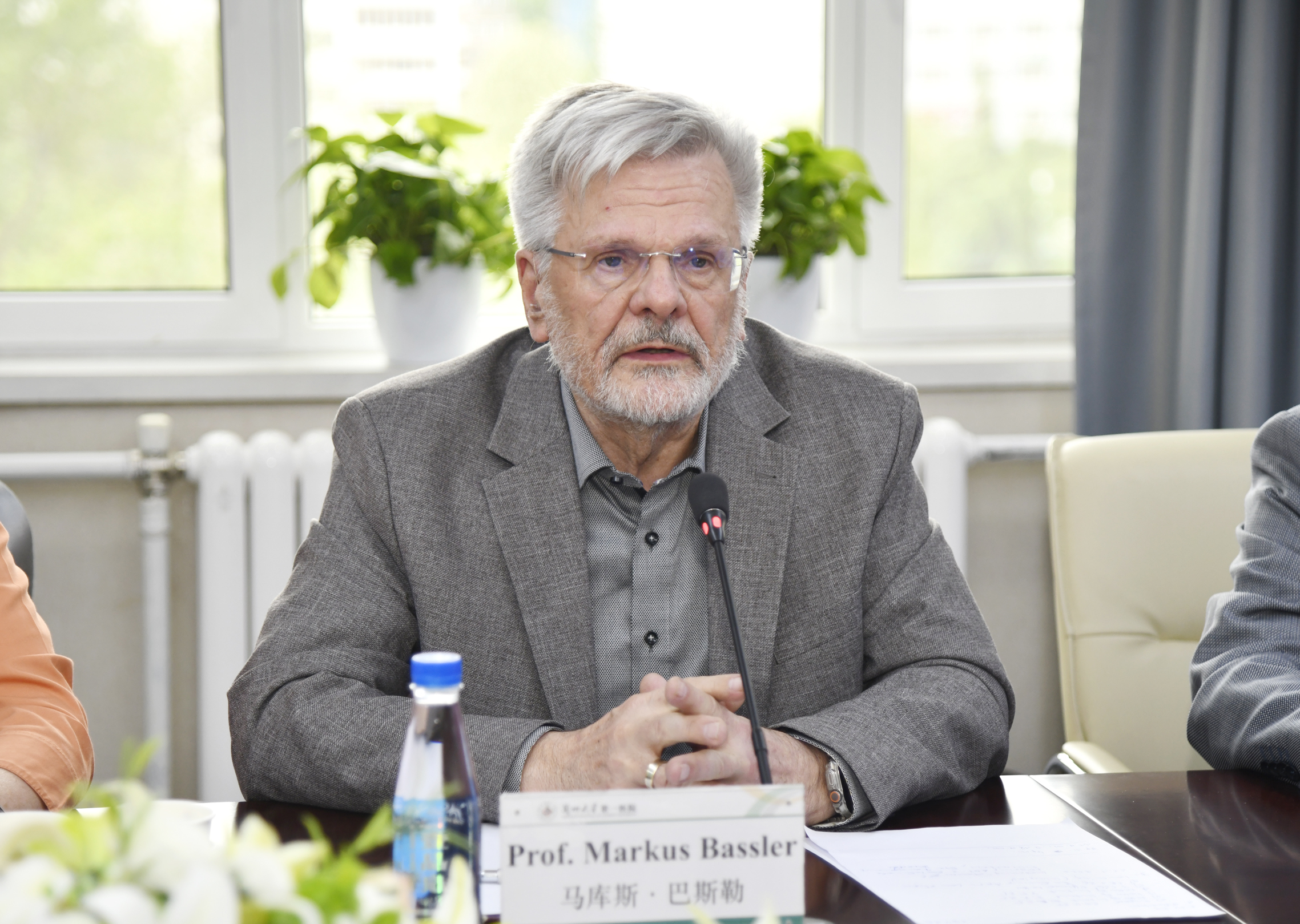
Professor Markus Bassler expressed his honor at being invited again to the hospital for academic exchange and looked forward to deepening cooperation with Chinese colleagues, jointly promoting disciplinary development, and continuously fostering long-term exchange and mutual learning in the field of psychosomatic medicine between China and Germany. He also expressed willingness to advance follow-up collaboration, take the lead in building an international exchange platform, and achieve precise alignment with the hospital.
This academic exchange and specialized training effectively enhanced the abilities of clinical medical staff in diagnosing and treating psychosomatic disorders and in doctor-patient communication. It strengthened the foundation for the hospital’s development of psychosomatic medicine as a discipline and will further promote cooperation between both sides in areas such as psychosomatic medicine system development, research project collaboration, and talent cultivation, contributing to improved clinical service capabilities.
Edited by the Office of Foreign Affairs