Recently, the 20th China Hospital CEO Annual Conference was held, alongside the 2025 Public Hospital Quality Management Golden Tripod Award Ceremony. The First Hospital of Lanzhou University (LZUFH) stood out from hundreds of hospitals nationwide with its case titled "Smart Empowerment + Multidisciplinary Collaboration: New Practices and Regional Leadership in Building a Hospital-Wide VTE Precise Prevention and Control System," winning the Quality and Efficiency Award. This marks the hospital's entry into the national forefront of healthcare quality management and smart innovation.

In recent years, LZUFH has focused on connotative development, grounded in the hospital's actual circumstances, and consistently strengthened its foundation. It has achieved new improvements in the quality of Party building, upheld the primacy of life with new enhancements in medical service quality, adhered to fostering virtue through education with new progress in medical talent cultivation, pursued innovation-driven growth with new breakthroughs in research translation, balanced recruitment and cultivation with new advancements in talent echelon building, united efforts with new improvements in service efficiency and work style, and upheld public welfare commitments with new enhancements in the hospital's brand image. The hospital has implemented the "Three Focuses and One Enhancement" initiative to empower high-quality development, striving to build itself into a nationally renowned and first-class research-oriented hospital in western China, and endeavoring to operate a hospital and medical education system that earns the trust of the Party, the government, and the people.
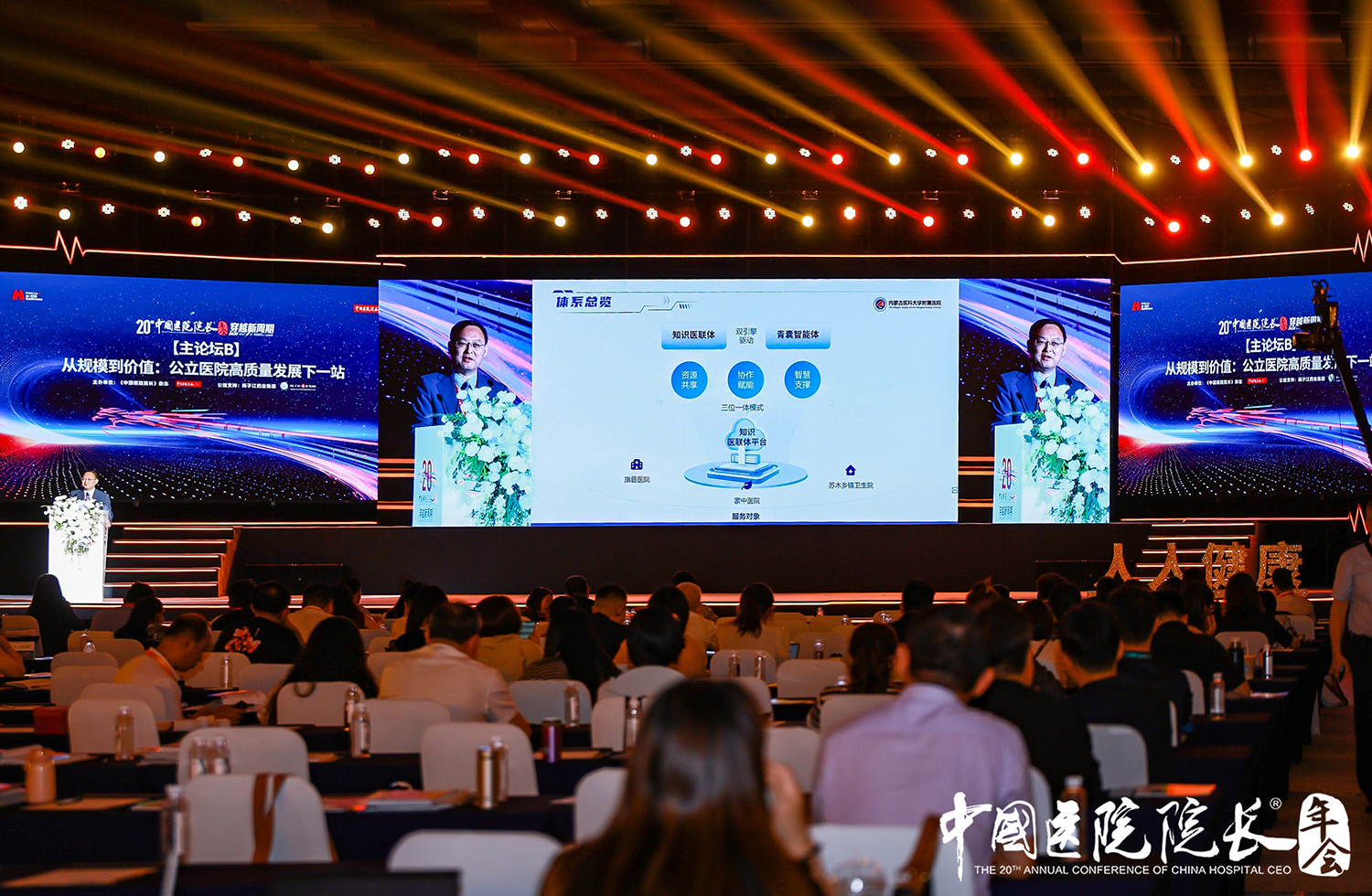
The Public Hospital Quality Management Golden Tripod Award, initiated by the China Hospital CEO magazine, is a highly recognized authoritative award in the field of hospital quality management in China, dedicated to identifying outstanding management models, promoting innovative practices, and setting industry benchmarks.
LZUFH will take this award as an opportunity to anchor itself to the goals of high-quality public hospital development, continuously deepening the comprehensive action plan for improving medical quality, refining modern hospital management systems, and providing patients with even better, more efficient, and more convenient medical services.
Edited by the Office of Foreign Affairs