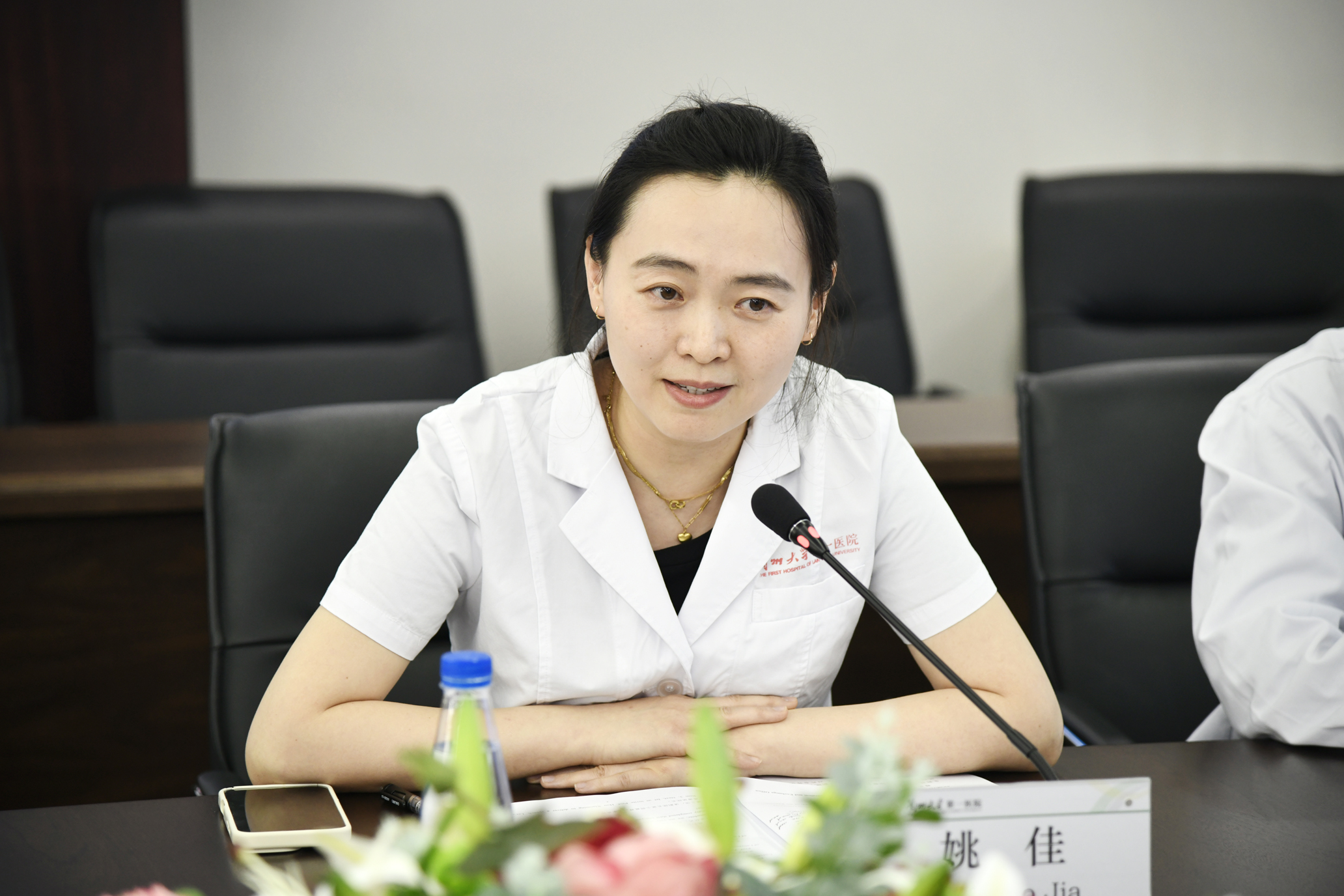
On the afternoon of May 26, the closing ceremony of the "The First Hospital of Lanzhou University (LZUFH) and The Ministry of Health of The Republic of Indonesia Post‑Graduate Medical Education (Visiting Fellowship and Medical Specialist Training Programs) in Interventional Neurology was held at the Yingfu Building. Prof. Hou Xiaoming, Vice President of LZUFH, attended the ceremony and delivered a speech. Also present were representatives from the Office of Foreign Affairs, the Stroke Center, the Department of Neurology, the Department of Neurosurgery, and the Department of Interventional Medicine, along with key physicians from these departments. The ceremony was chaired by Dr. Yao Jia, Deputy Director of Foreign Affairs Office.
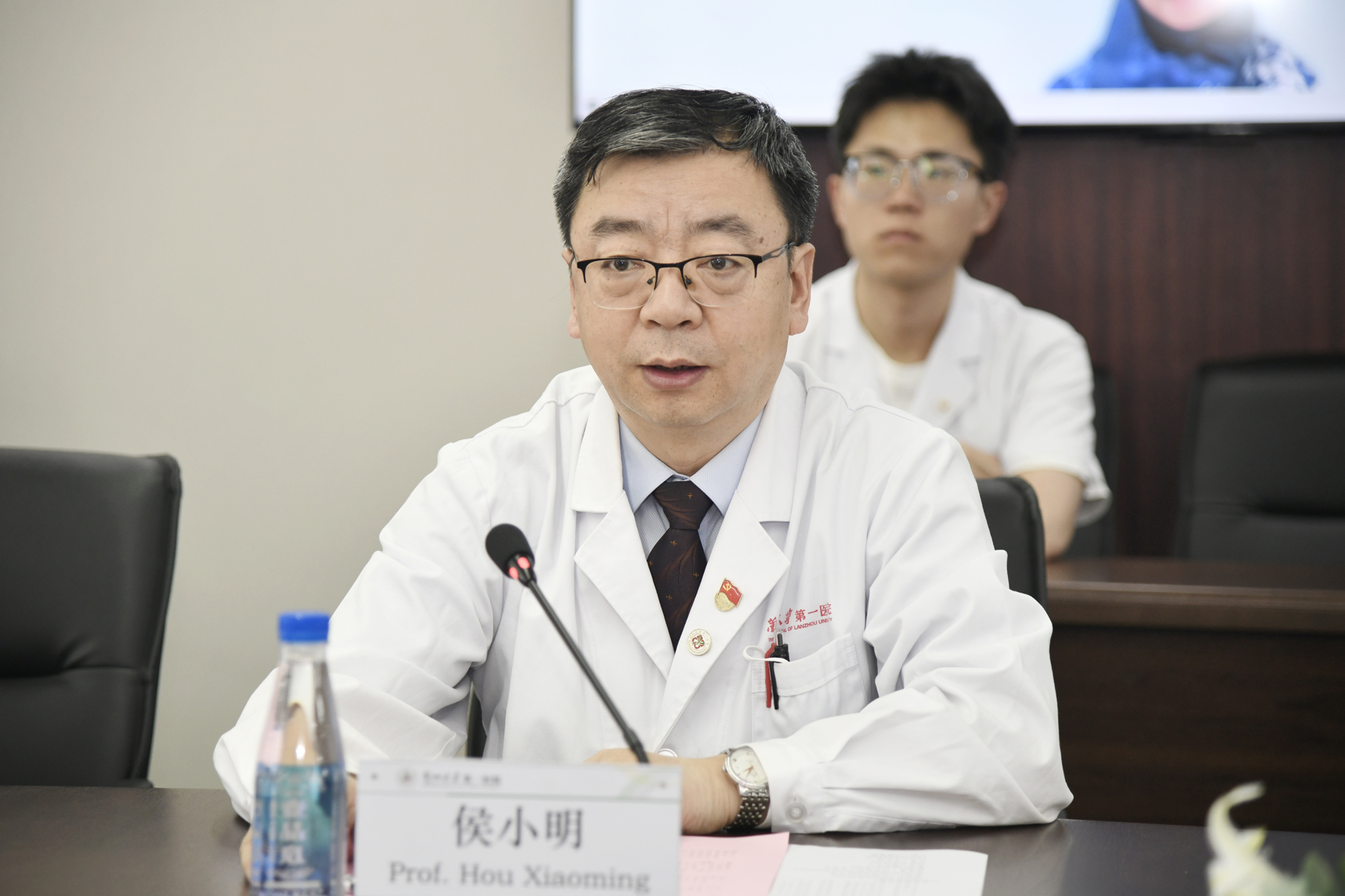
 Prof. Hou Xiaoming noted that this training program represents an important practice of the hospital in implementing the Belt and Road Initiative and advancing the Memorandum of Understanding on Health Cooperation signed between the National Health Commission of China and the Ministry of Health of Indonesia in 2022. It also serves as a typical example of deep collaboration between China and Indonesia in the field of medical training. He expressed the hope that both sides would take this successful cooperation as an opportunity to establish sustainable and in-depth collaboration mechanisms in areas such as personnel exchanges, research collaboration, and joint academic studies, jointly improving regional stroke prevention and treatment levels, cultivating medical talents with international perspectives, and making new contributions to strengthening the health partnership between the two countries.
Ms. Afifah Handayani, representative of the Indonesian Ministry of Health, stated that this collaboration closely aligns with Indonesia's strategic goals of strengthening advanced referral services and improving access to life-saving medical care nationwide. She noted that the training program not only achieved technology transfer but also fostered meaningful partnerships among trainees, mentors, institutions, and countries, building a valuable bridge for future exchanges, knowledge sharing, and ongoing cooperation.
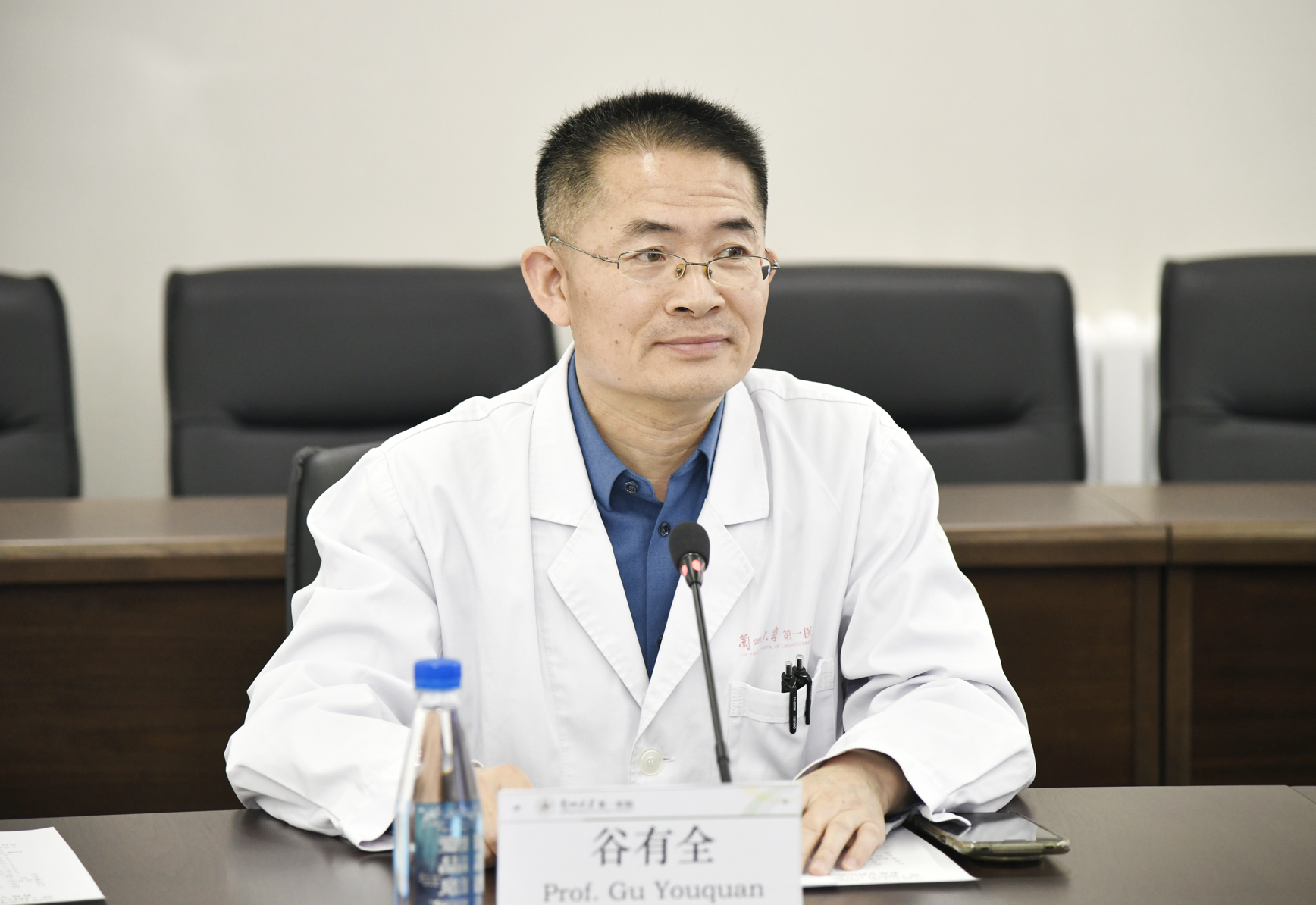
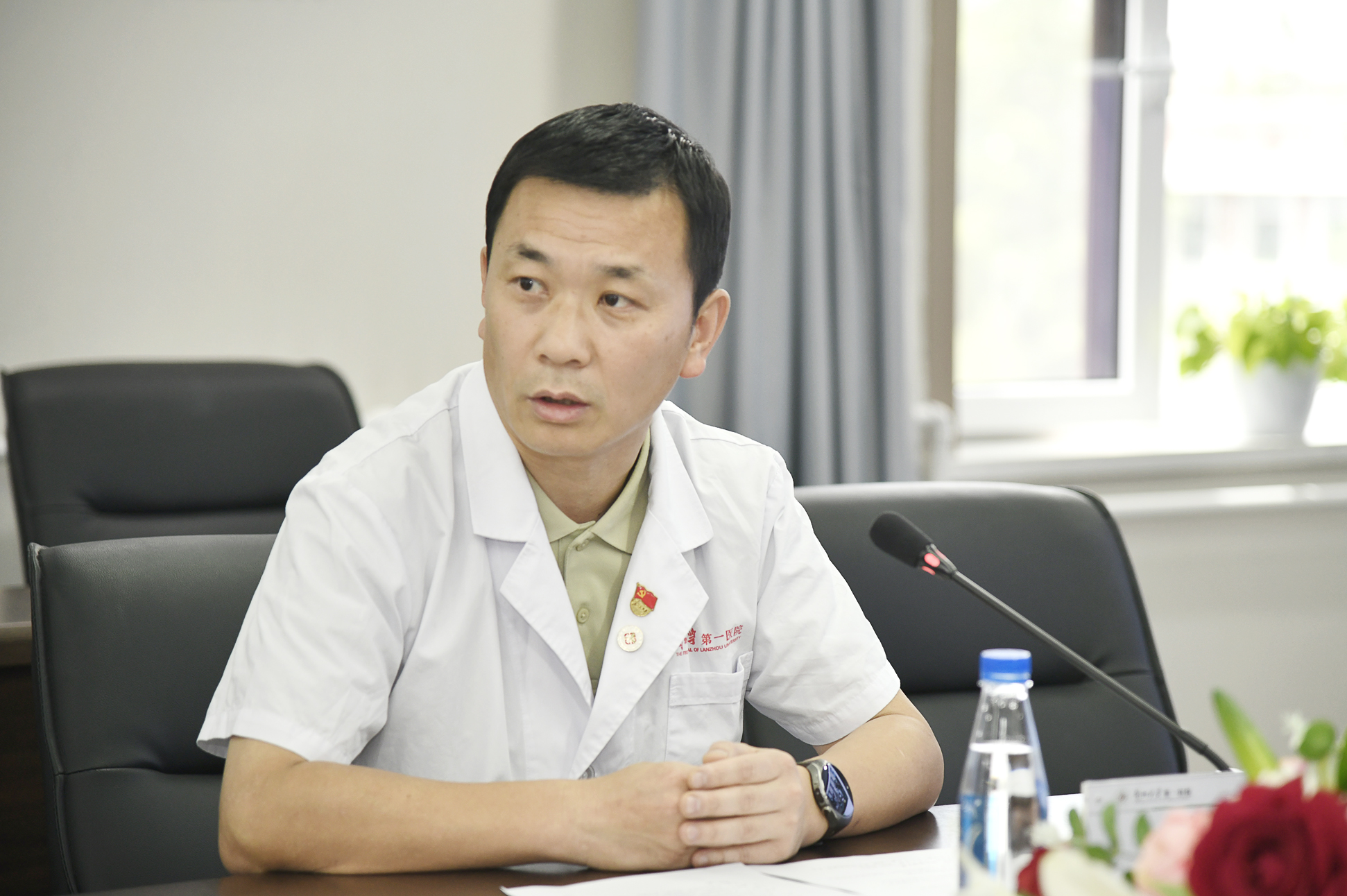
Prof. Gu Youquan, Director of the Stroke Center, and Dr. Yang Gang, Deputy Director of the Department of Neurosurgery and representative of the mentors, reviewed the memorable experiences of the five Indonesian physicians during their work, study, and life at the hospital. Prof. Gu Youquan stated that leveraging the academic strengths of the hospital's Stroke Center, the training program adopted an innovative rotation model across three departments — Neurosurgery, Interventional Medicine, and Neurology — providing a customized and systematic learning plan for each trainee. While strengthening clinical skills, the program also emphasized the cultivation of humanistic values and teamwork abilities, comprehensively supporting the trainees' professional development. Dr. Yang Gang noted that throughout the one-year training, the mentor team accompanied the Indonesian physicians throughout their growth through daily ward rounds, multidisciplinary case discussions, and regular learning feedback and summary sessions. The trainees not only mastered neurointerventional techniques and the standardized diagnosis and treatment concepts of a stroke center but also developed deep teacher-student bonds and cross-border friendships with their Chinese mentors.
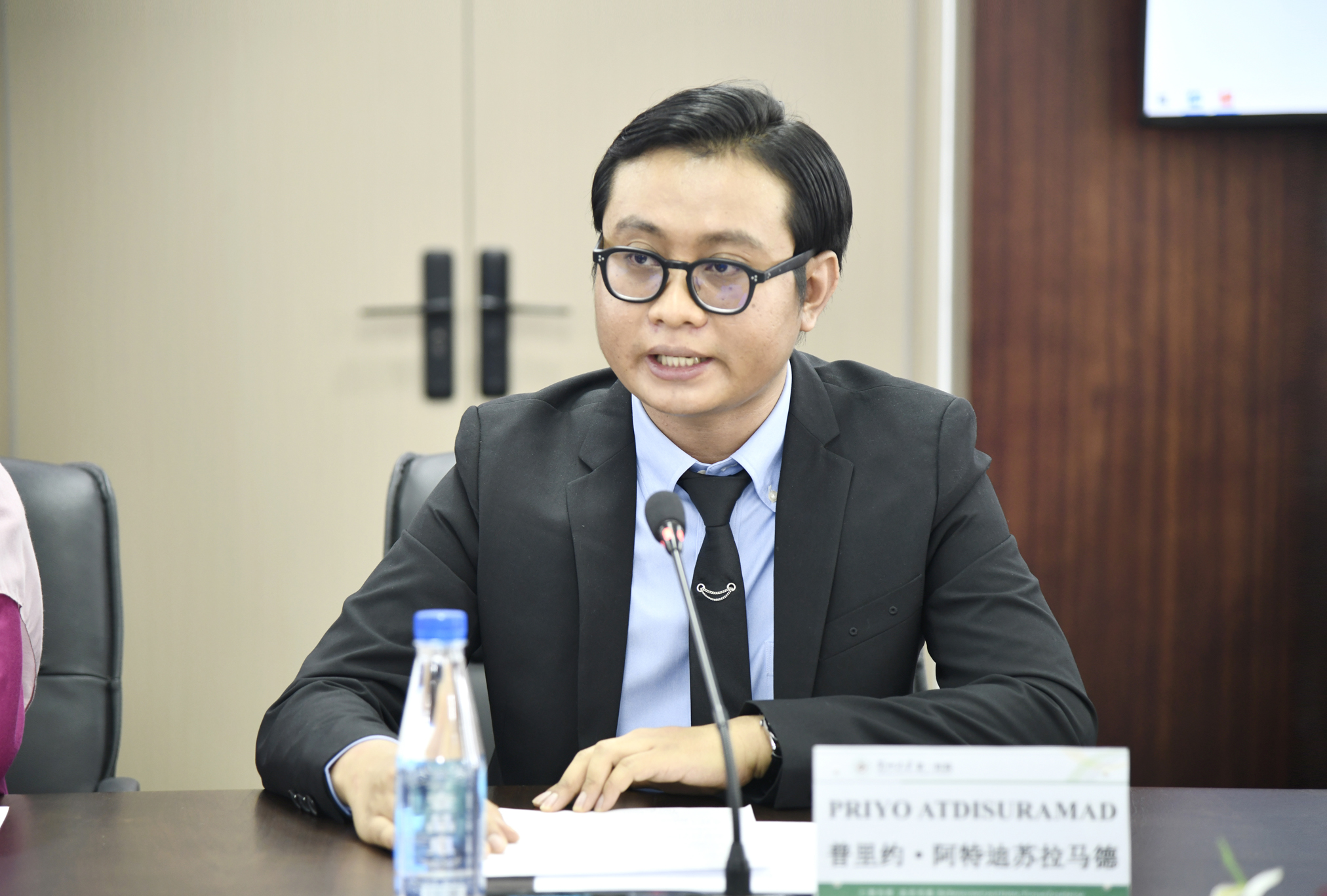
Dr. Priyo Atdisuramad, representative of the Indonesian physicians, expressed his sincere gratitude to LZUFH for the training. He stated that over the past year, the five Indonesian trainees arrived as learners and are departing as confident and responsible medical professionals. They will return home with solid diagnostic angiography skills, upholding the professional ethos they learned at LZUFH — "rigor before action, safety before speed, and the patient always at the center" — to provide better medical services to Indonesian patients.
At the conclusion of the ceremony, Hou Xiaoming presented training certificates to each trainee on behalf of the hospital.
Edited by the Office of Foreign Affairs