Recently, at the IEEE International Symposium on Biomedical Imaging 2026 (ISBI 2026), a leading international conference in medical imaging held in London, United Kingdom, the artificial intelligence team led by the Information Center of the First Hospital of Lanzhou University (LZUFH) delivered an outstanding performance in the "Foundation Model Challenge for Ultrasound Image Analysis (FMC-UIA)." The team achieved fourth place among nearly 200 participants from around the world, was invited to give an oral presentation at the symposium, and their research findings have been accepted for inclusion in the symposium proceedings.
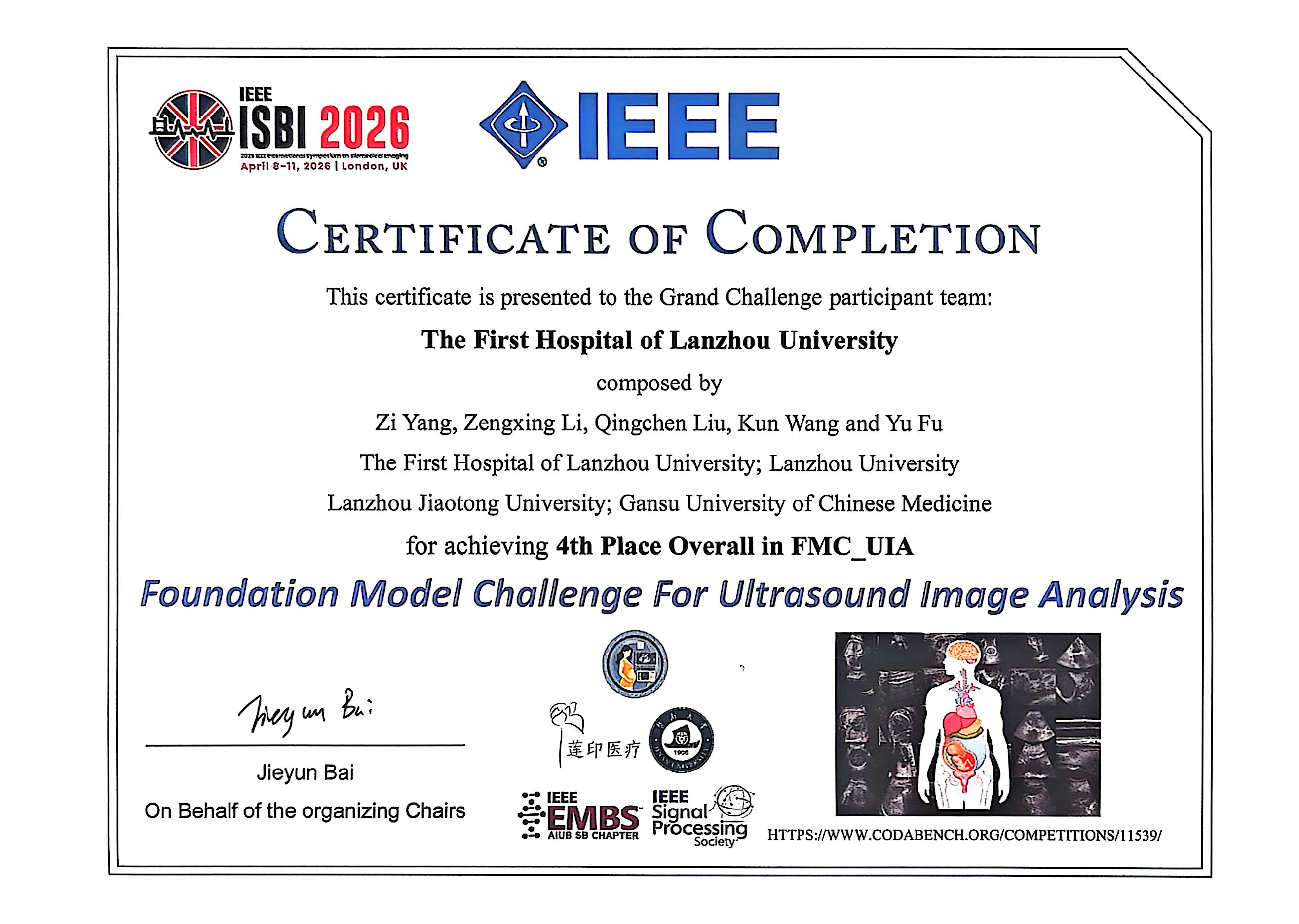
This challenge focused on a cutting-edge issue in AI for medical imaging: developing a "Foundation Model" with cross-task and cross-organ generalization capabilities. Participants were required to develop a single, unified model capable of simultaneously performing four major types of tasks in ultrasound image analysis: segmentation, classification, detection, and regression. These tasks covered multiple organs and disease scenarios, including fetus, heart, breast, thyroid, and carotid artery. The competition is recognized as one of the most complex and comprehensive international challenges in ultrasound AI to date. The competition attracted widespread participation from universities, research institutions, and medical units worldwide. The data came from multicenter public datasets and some private clinical data, encompassing over 20 sub-tasks, all rigorously annotated and evaluated by multiple ultrasound experts. The competition primarily assessed the models' generalization ability and stability in real-world clinical settings.
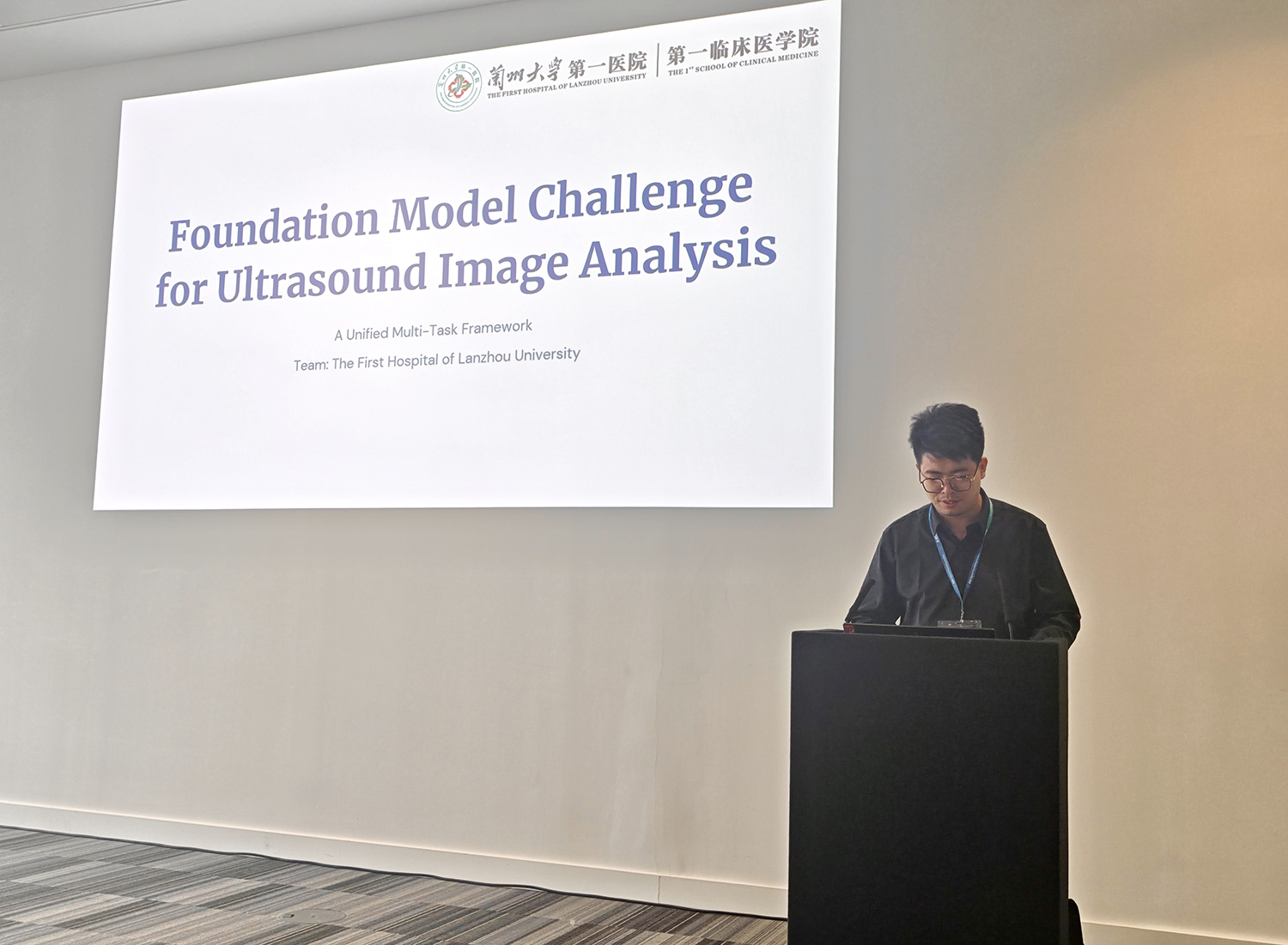
The unified multi-task ultrasound foundation model independently developed by the LZUFH team achieved stable and excellent performance across multi-organ, multi-task scenarios. Through shared representation learning and a multi-task collaborative optimization mechanism, the model effectively improved the efficiency of information utilization across different tasks, achieving leading results in segmentation accuracy, classification precision, and key measurement regression tasks.
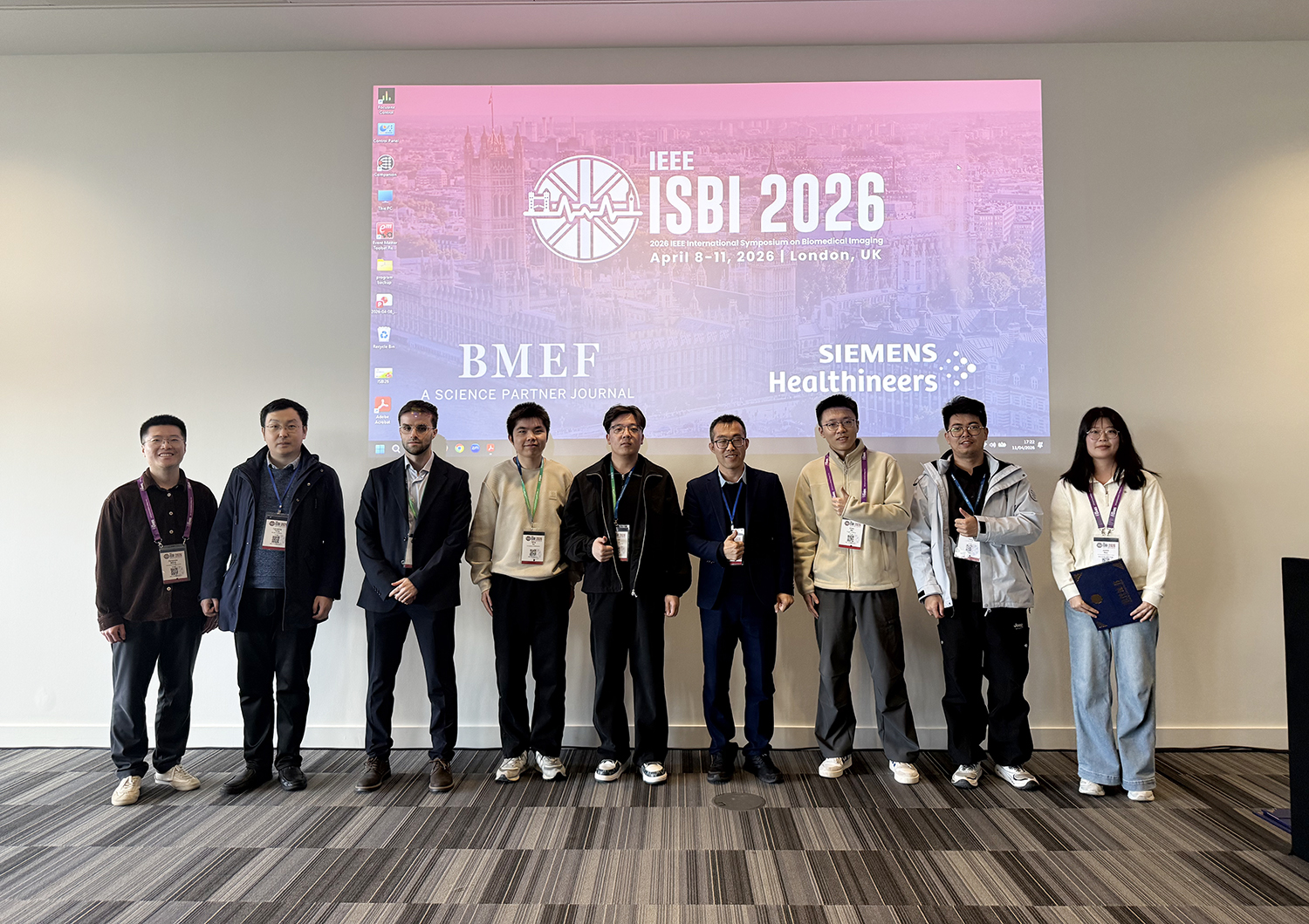
This award marks a significant achievement for LZUFH in the field of foundation models for medical imaging AI, demonstrating the hospital's continued breakthroughs in the research, development, and implementation of multimodal clinical AI technologies. The team will leverage this opportunity to deepen research in areas such as intelligent diagnosis, risk prediction, and decision support, further promote the clinical translation and application of ultrasound foundation models, and contribute to the high-quality development of medical AI technology in the western region of China.
Edited by the Office of Foreign Affairs